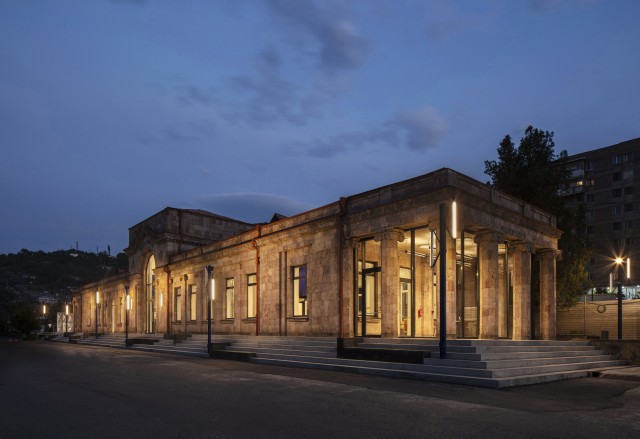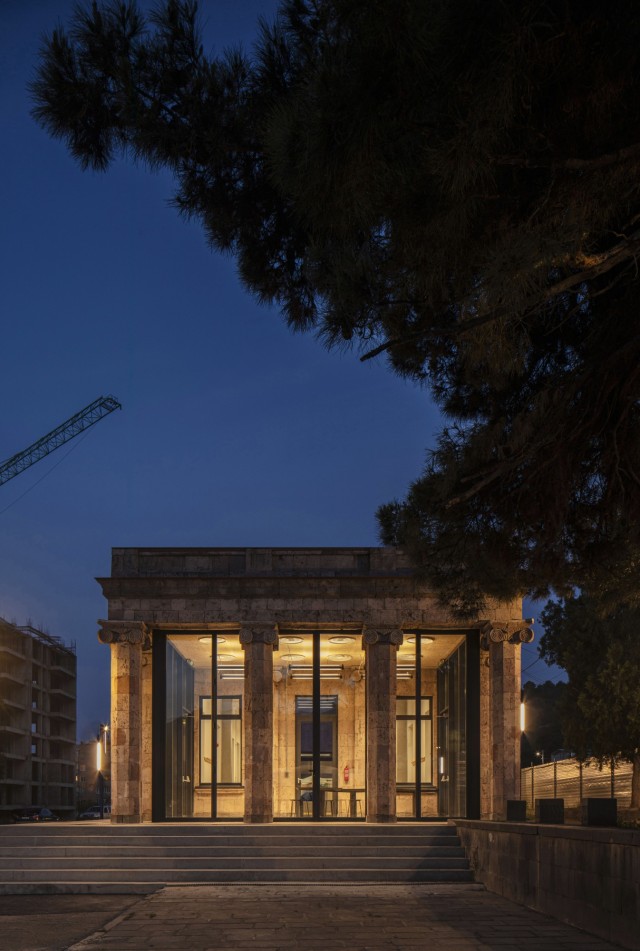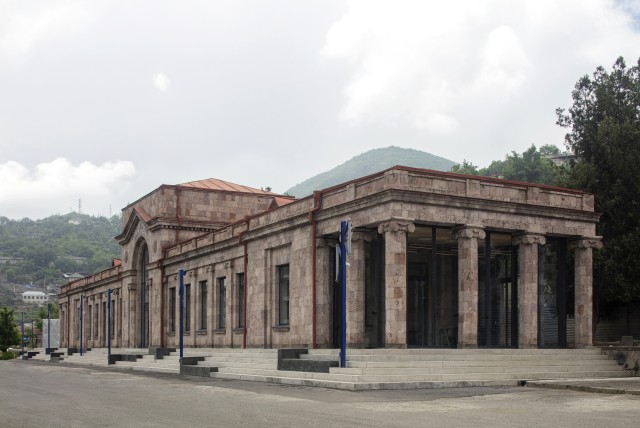



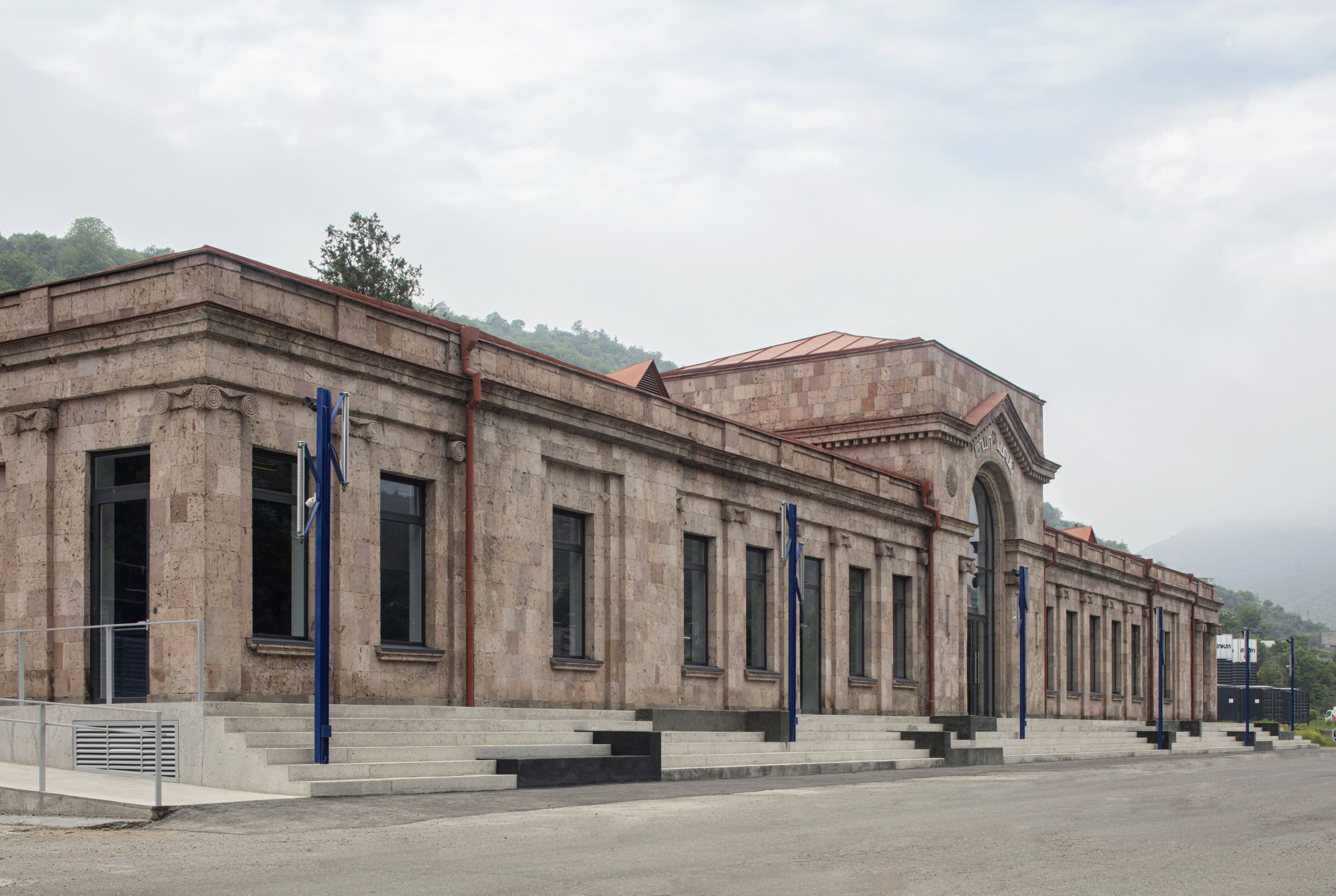
The former railway station of Kapan, a city located in southern Armenia, has been given a new life. It now hosts a TUMO center for the children of the city, designed by the Paris-based duo Normal Studio.
The idea of transforming the station, abandoned for more than three decades, into a learning center for digital technologies was born when Marie Lou Papazian, CEO of TUMO, visited Kapan and sensed its potential. Thanks to its central location and historic value, converting the building into a TUMO center quickly became the obvious choice. It also stands as a powerful symbol of renewal for the city.
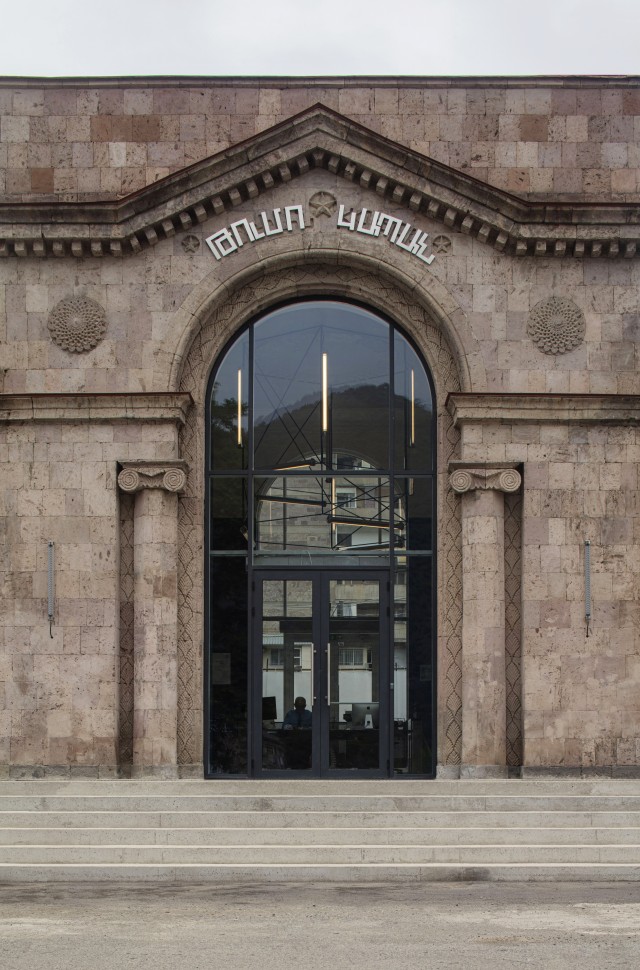
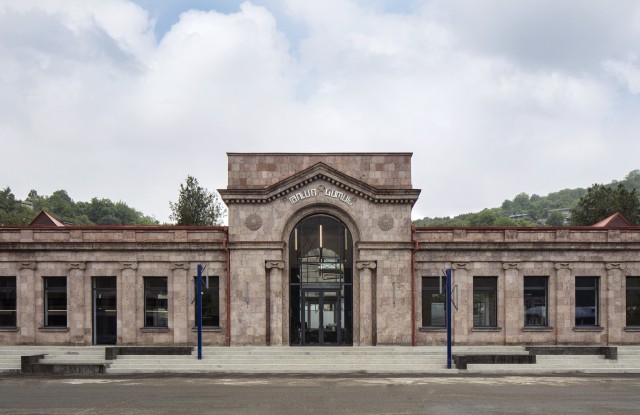
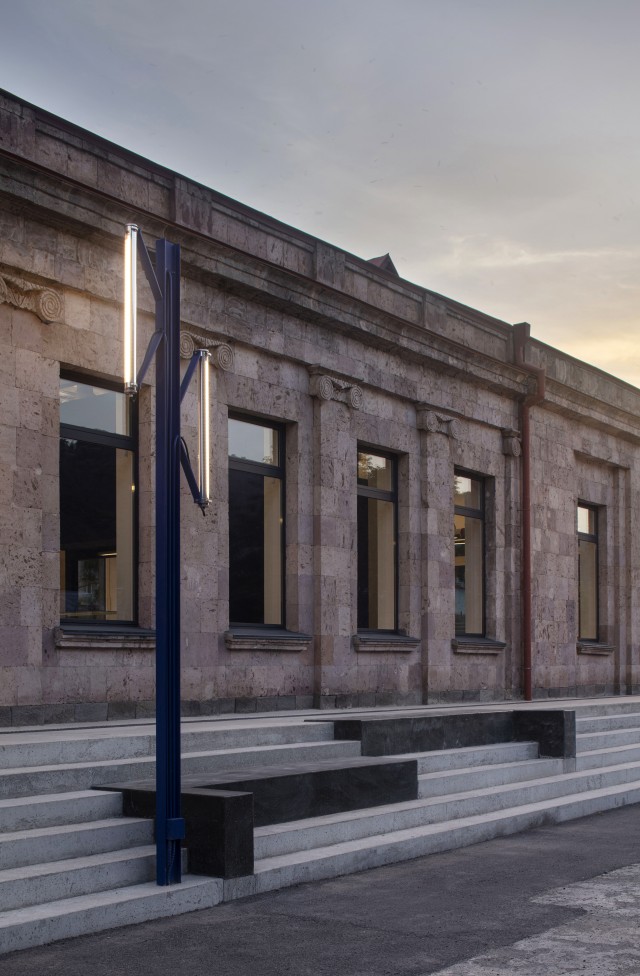
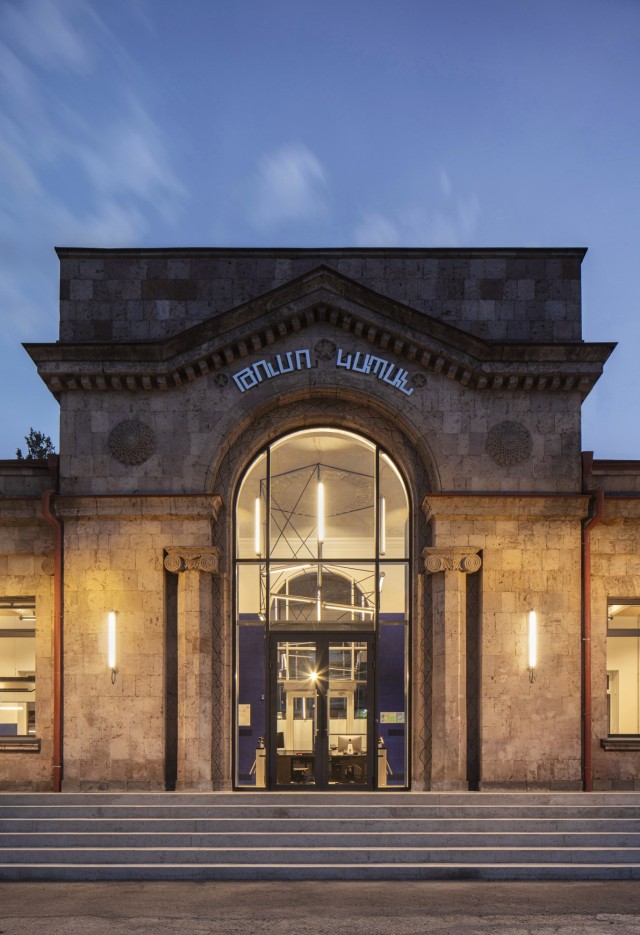
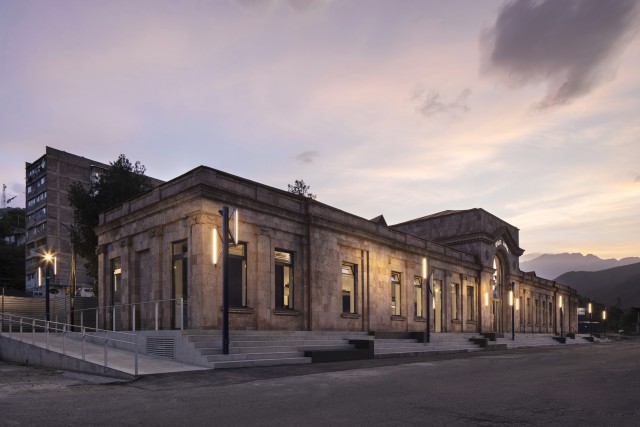
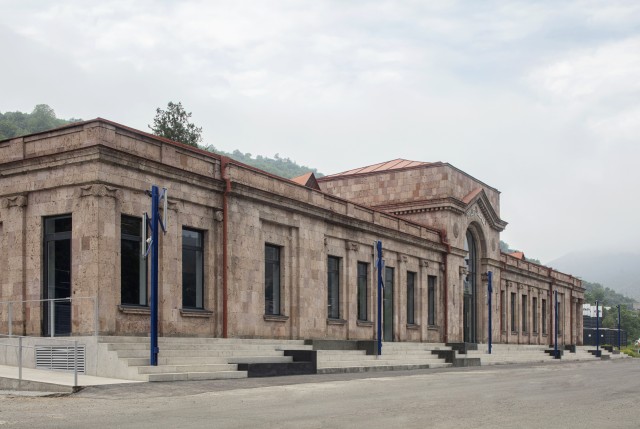
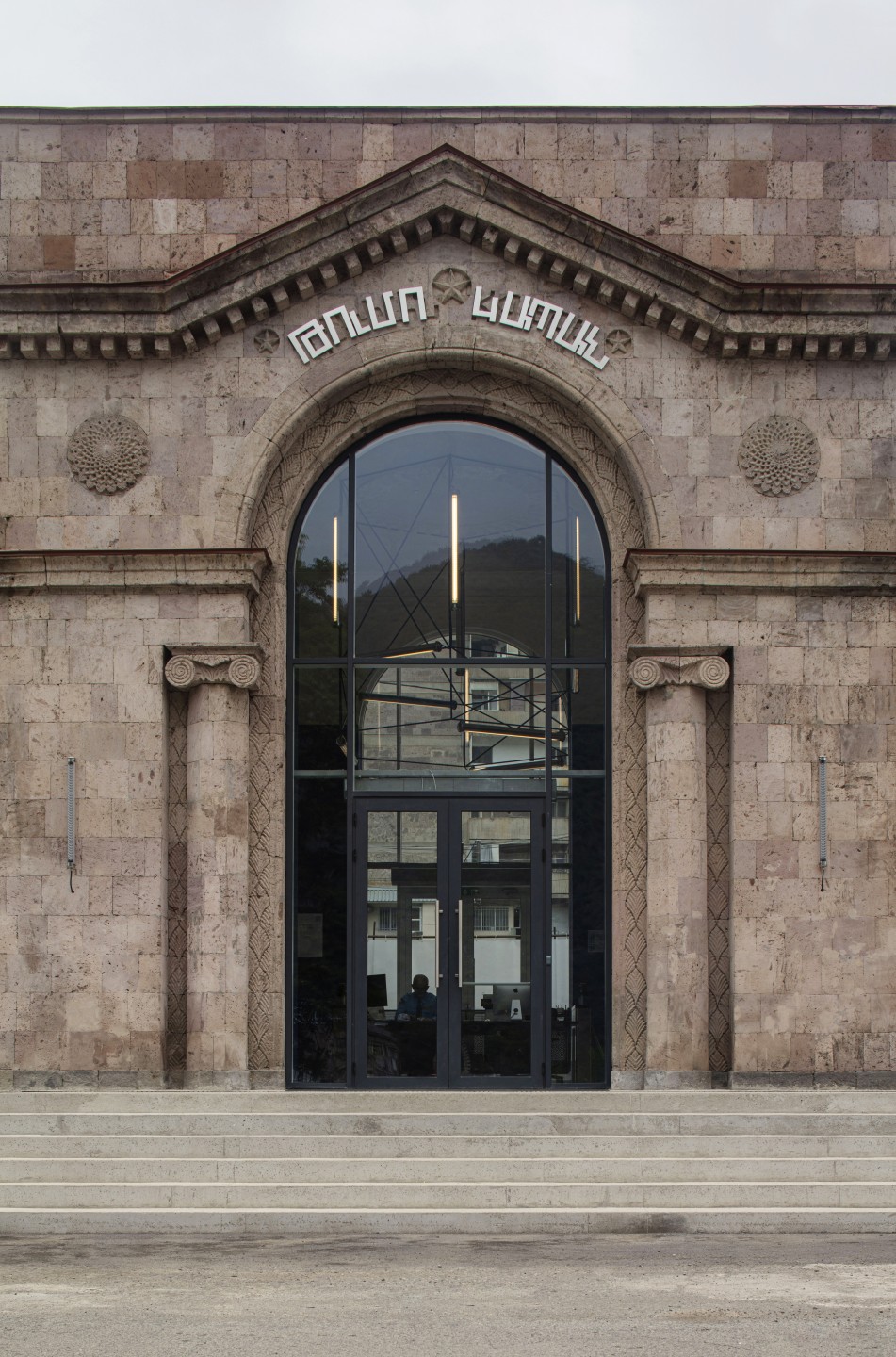
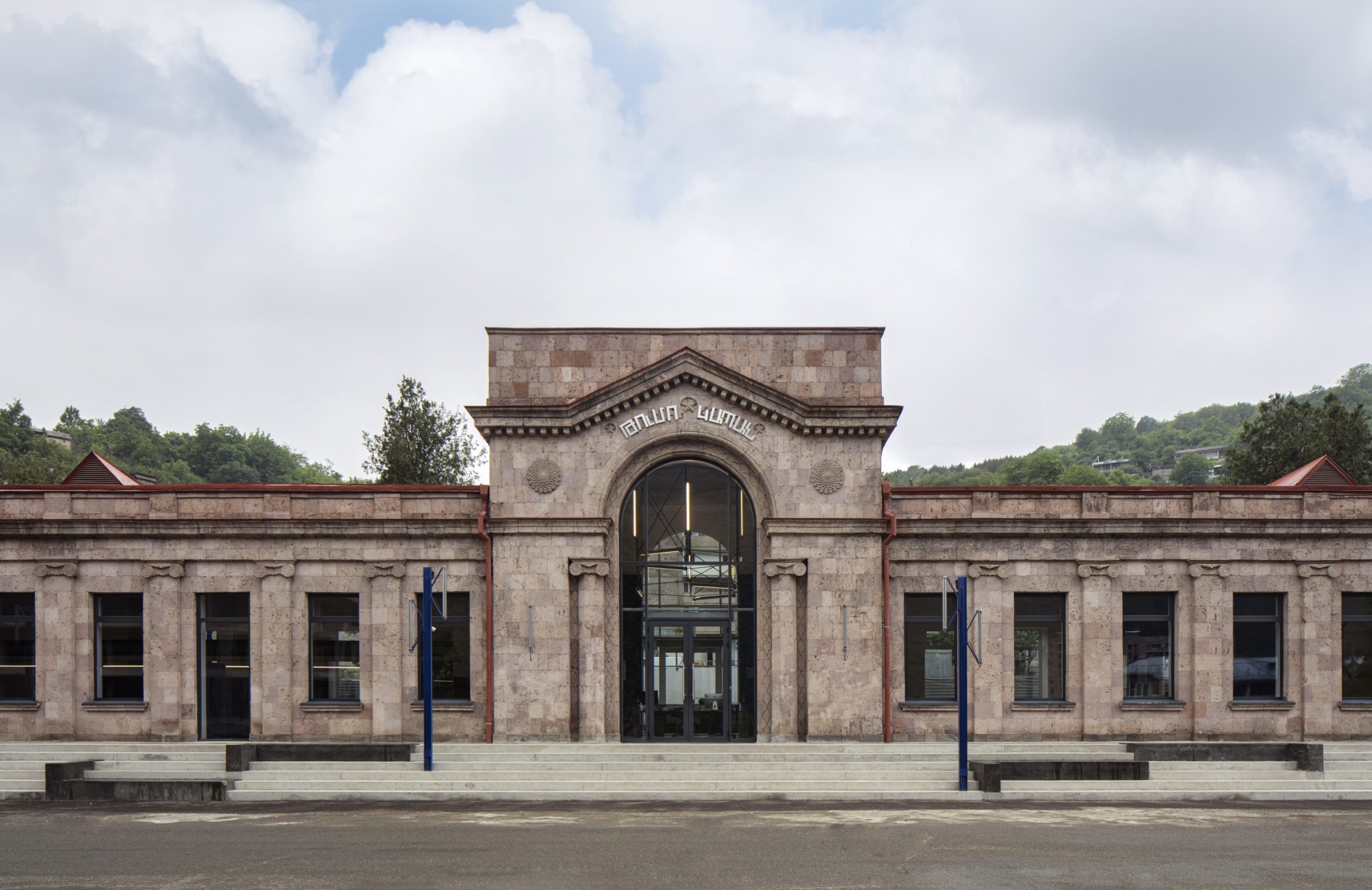
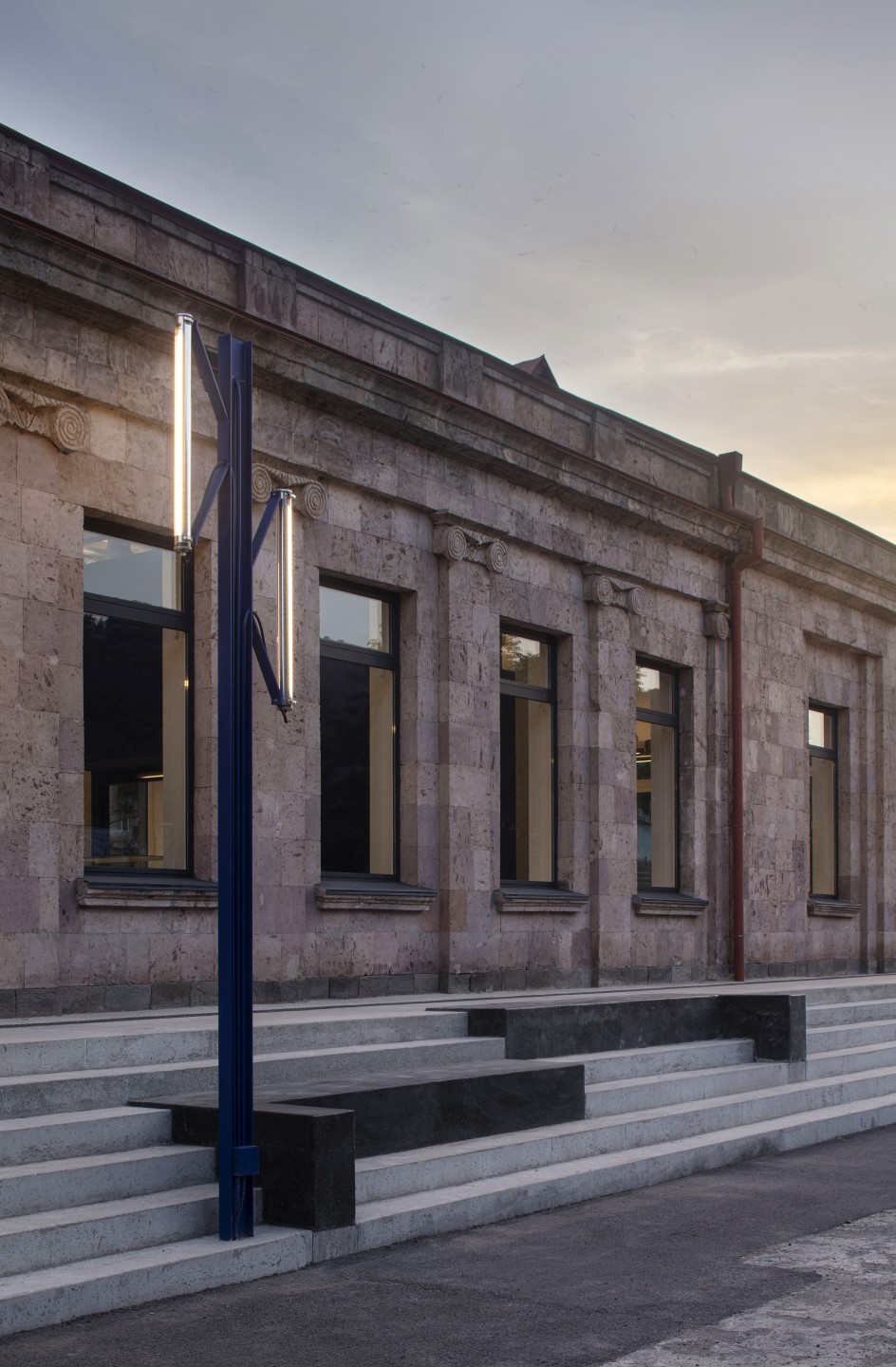
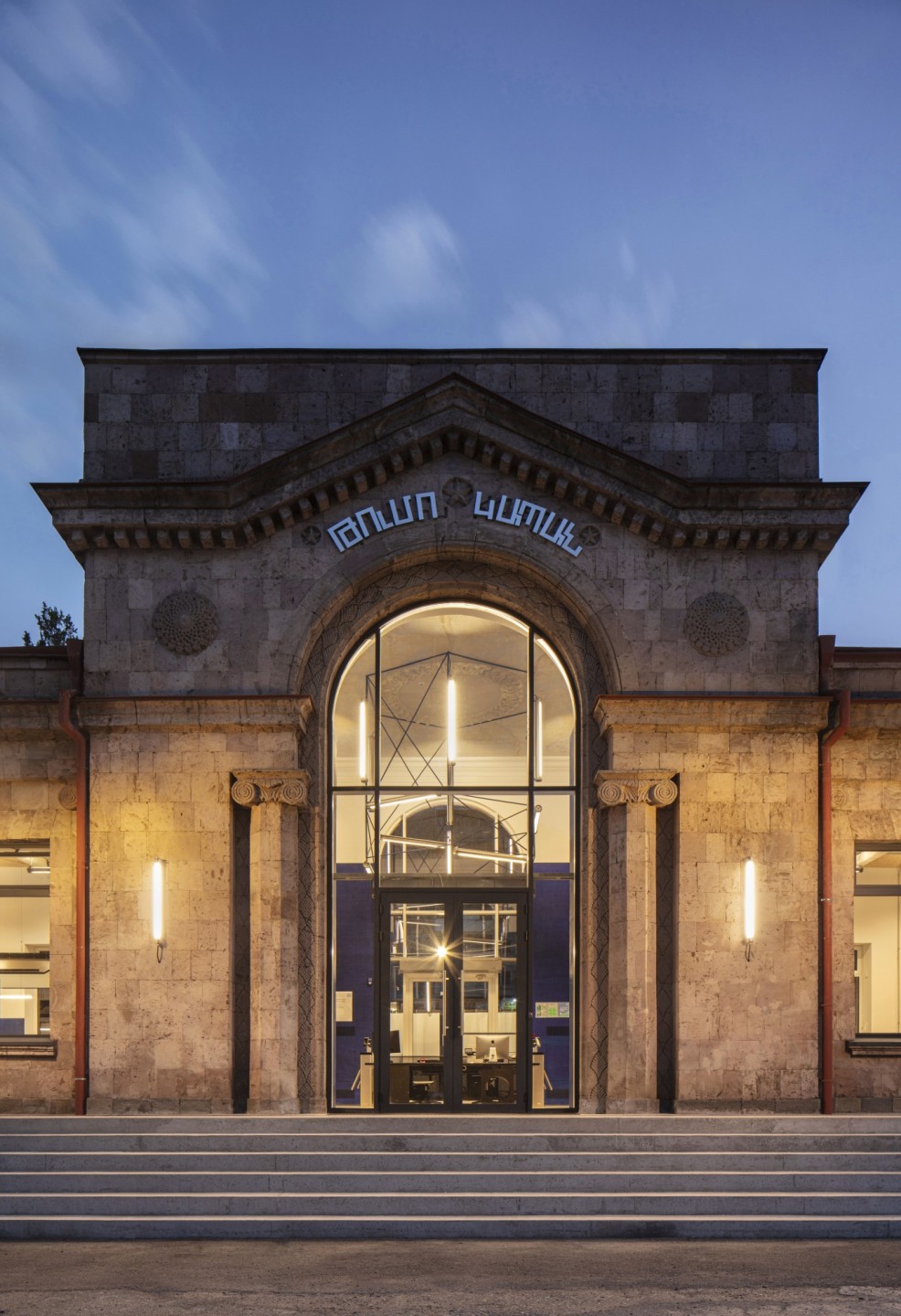
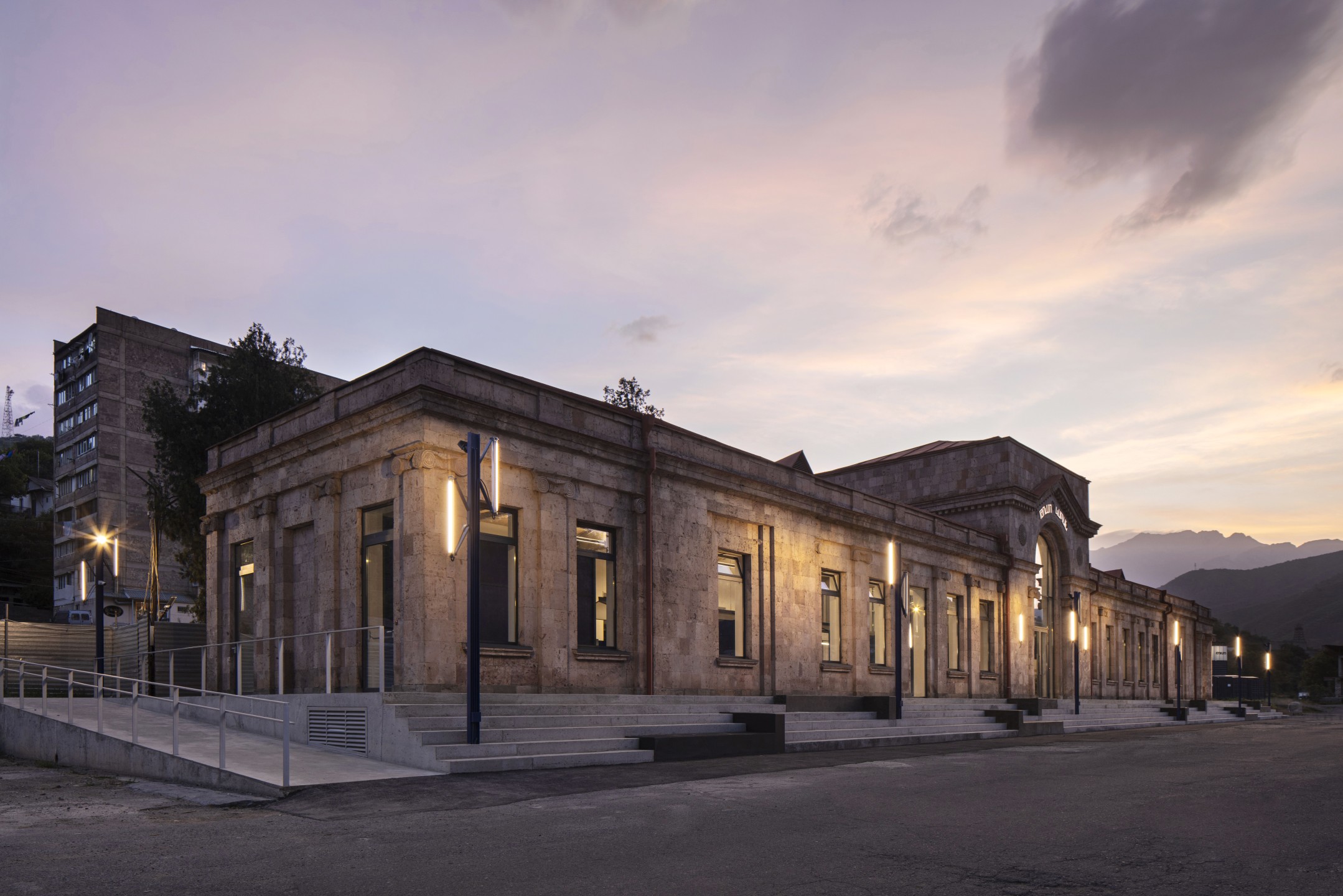
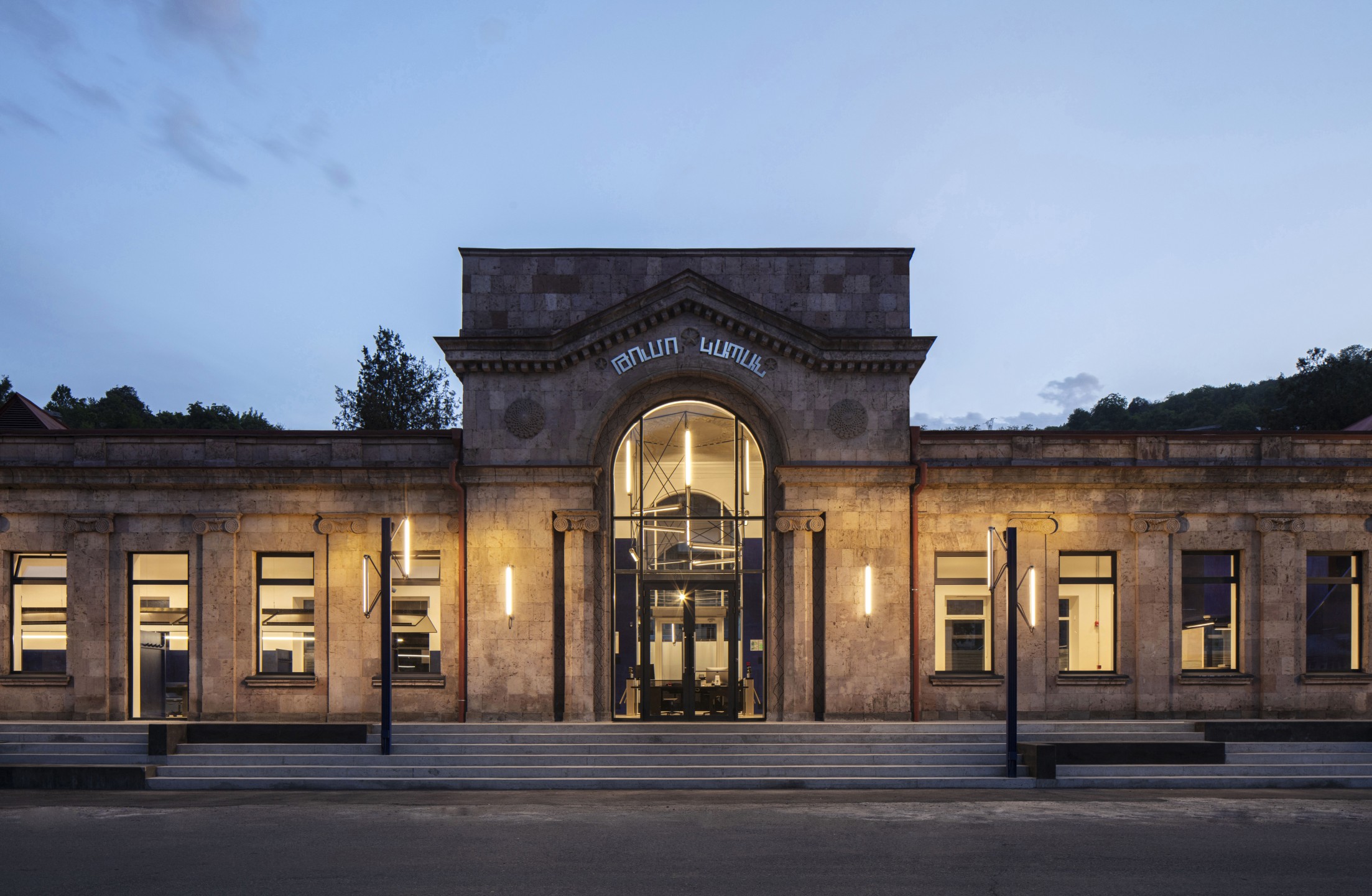
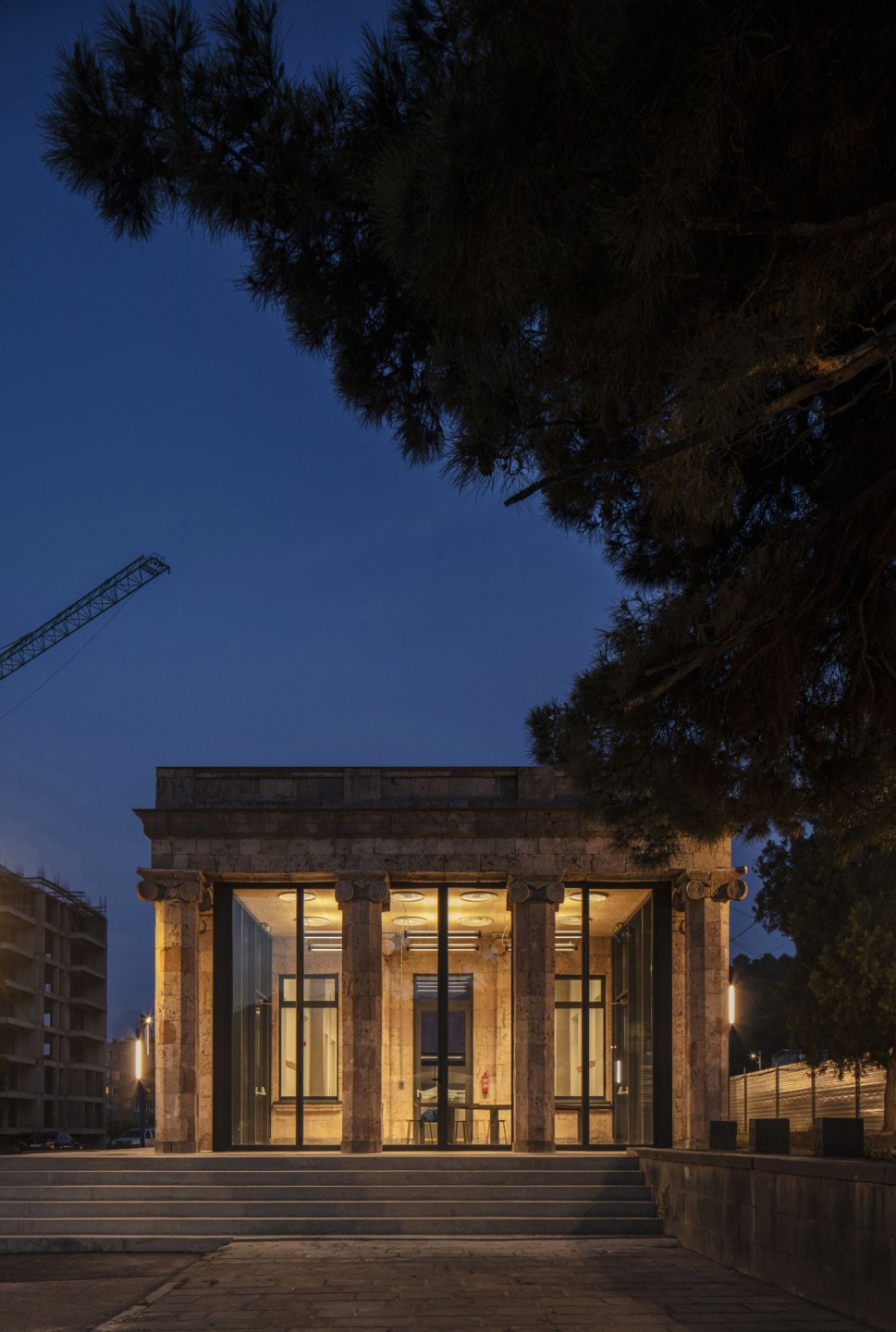
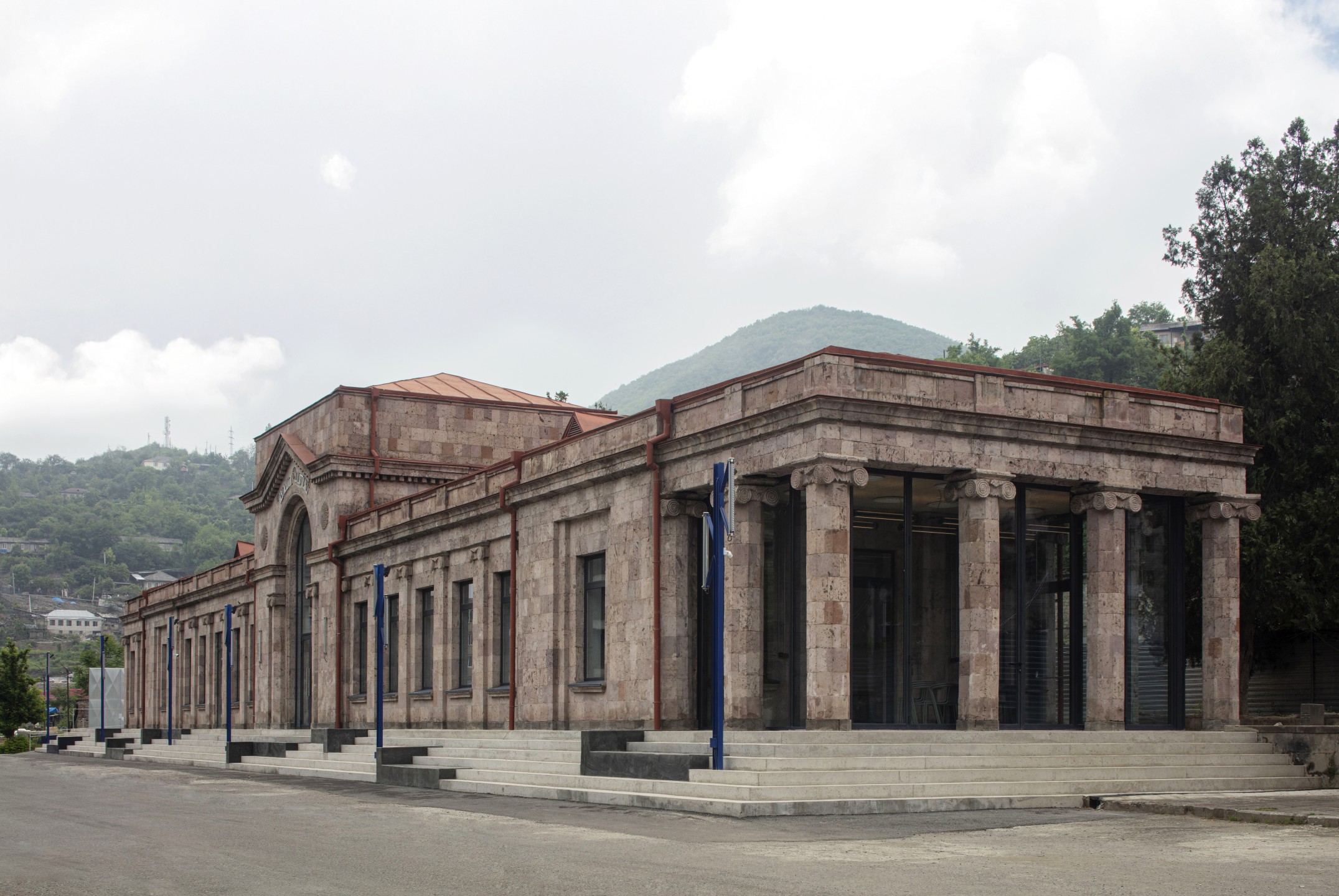
Completed in 1932, the former station is a rectangular, symmetrical, single-story building with a classic layout: a central vestibule flanked by two waiting rooms. It is built in pink tuff, in the style of Armenian national neoclassicism.
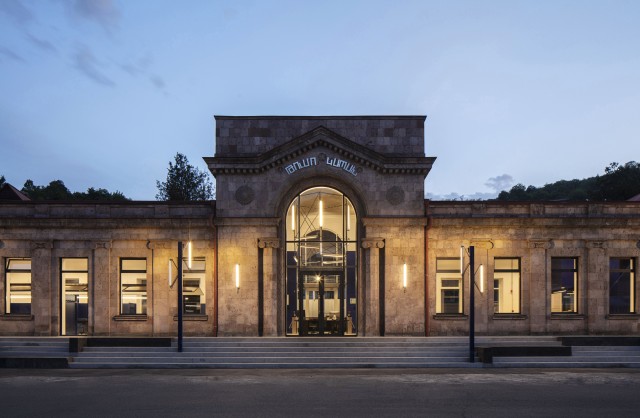
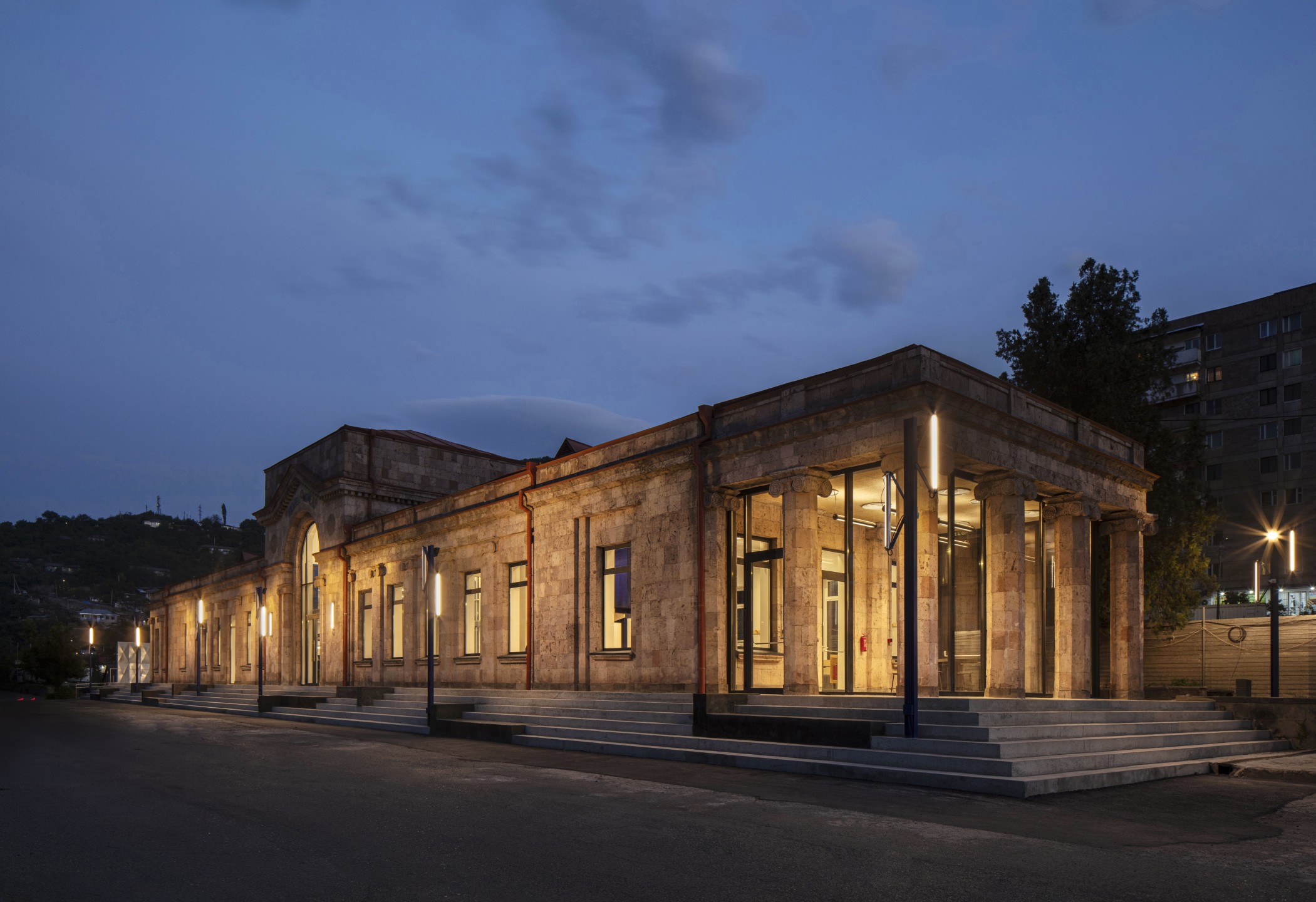
The central pavilion features two large glazed arches—one serving as the entrance for travelers on the city side, and the other providing access to the platforms at the rear of the building. The façade alternates between rectangular windows and pilasters, and ends with a portico on its right wing. While trains were the main mode of transportation in Kapan until the airport opened in 1972, the station closed in the early 1990s due to armed conflicts in the region.
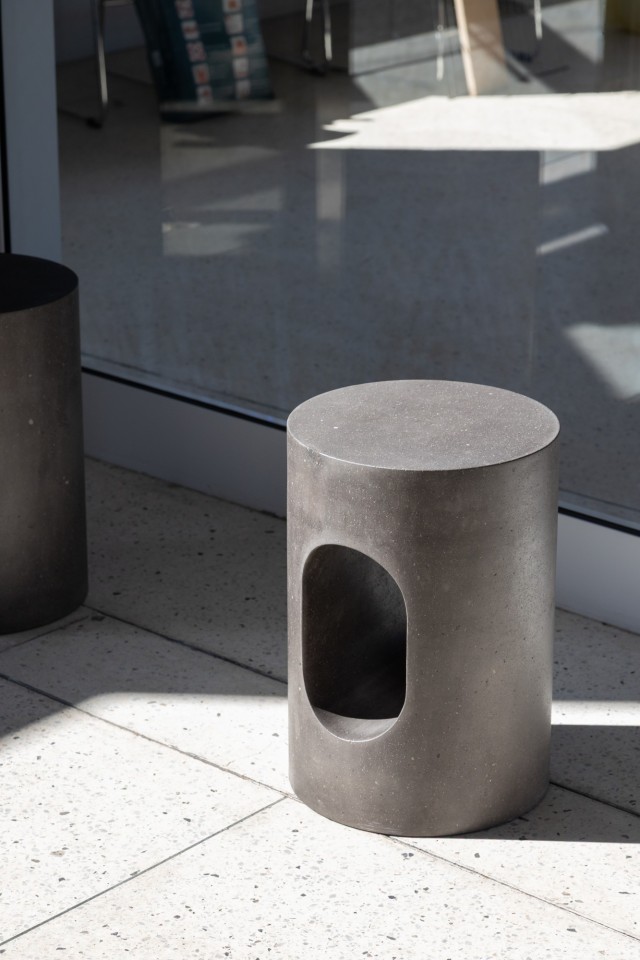
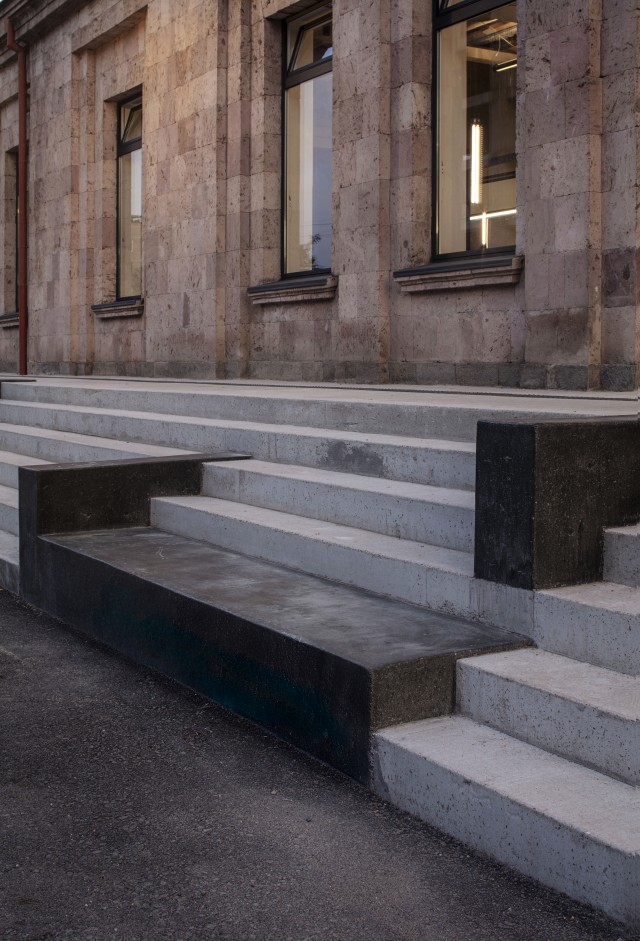
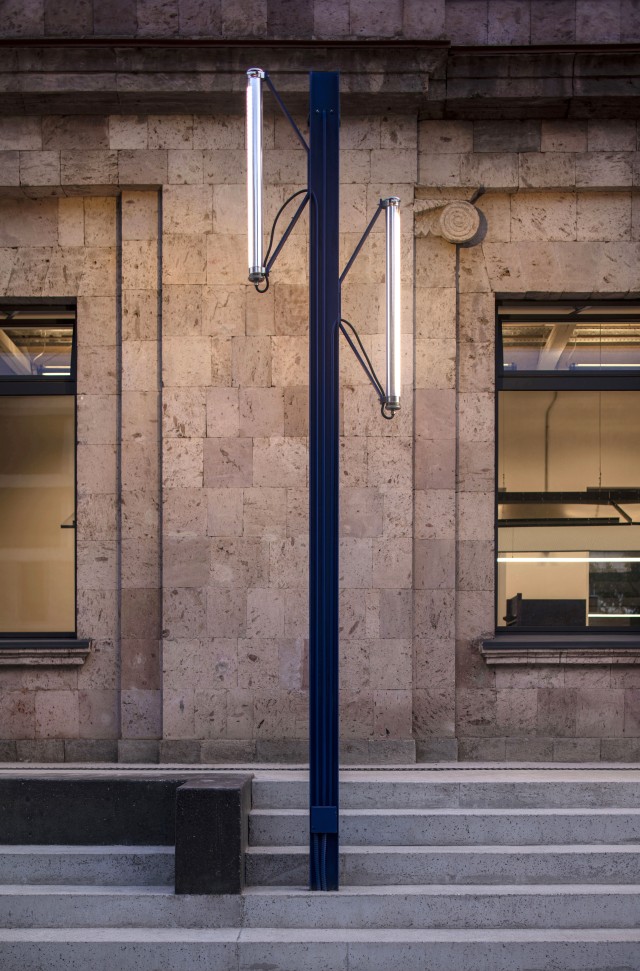
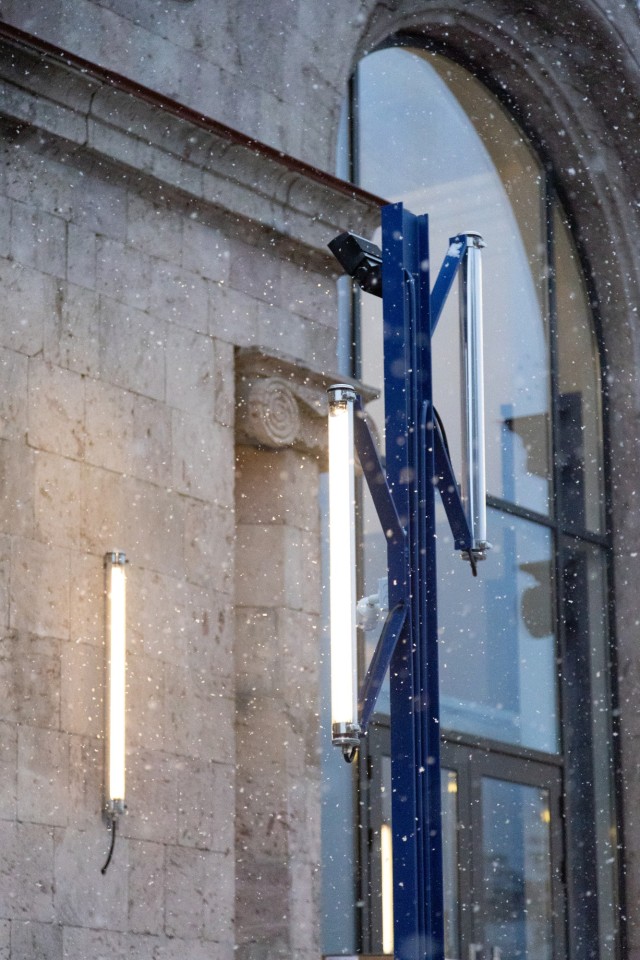
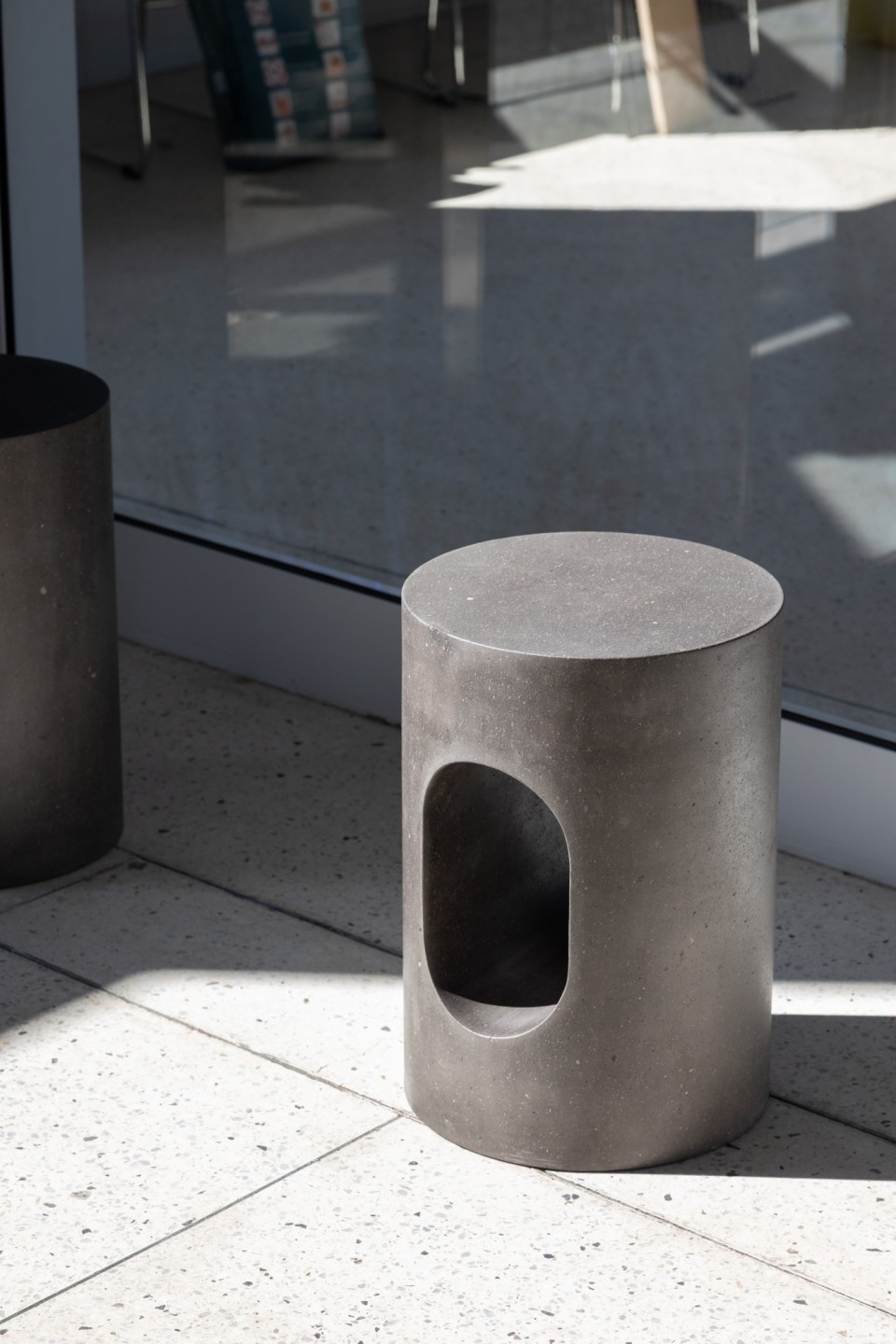
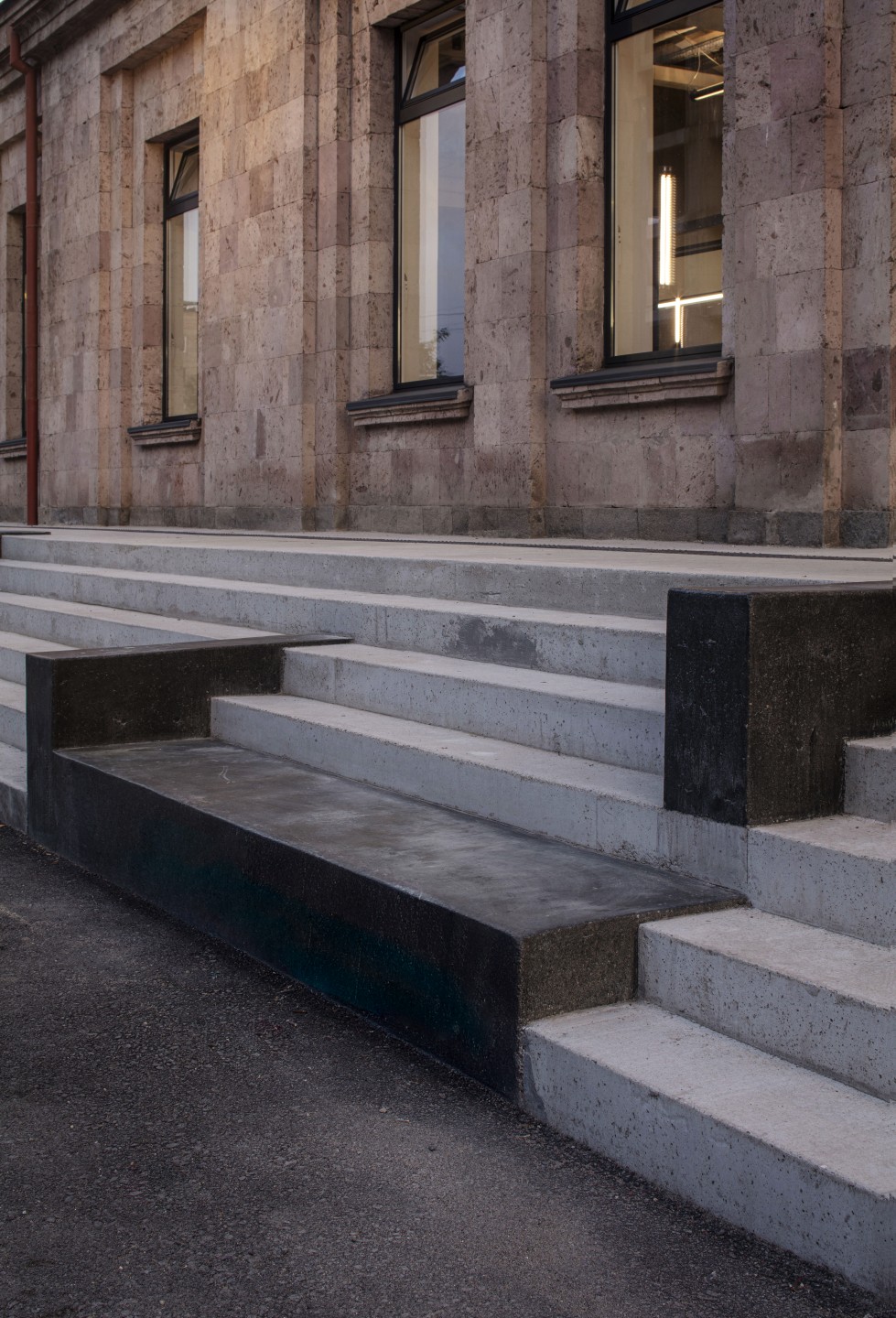
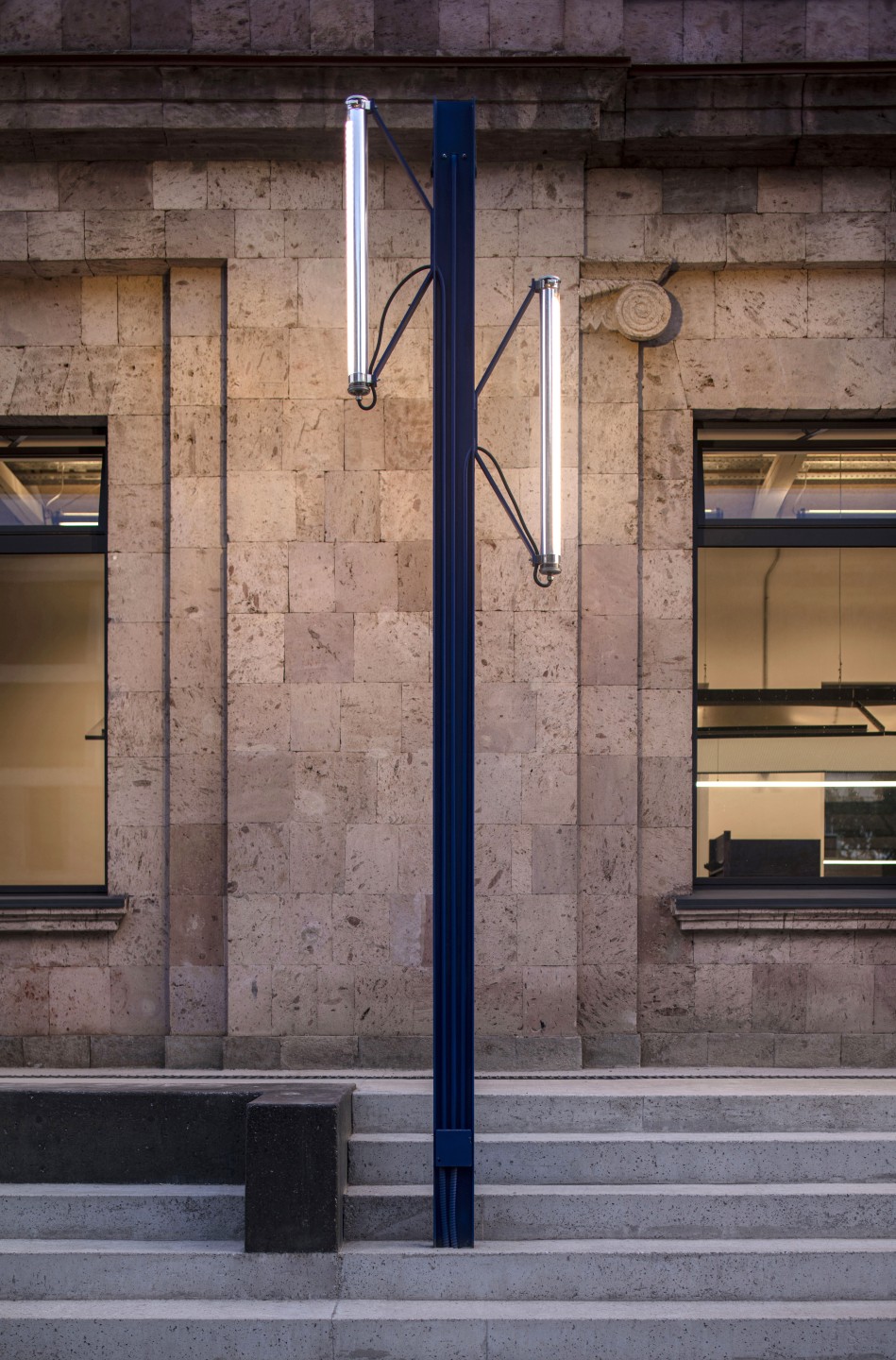
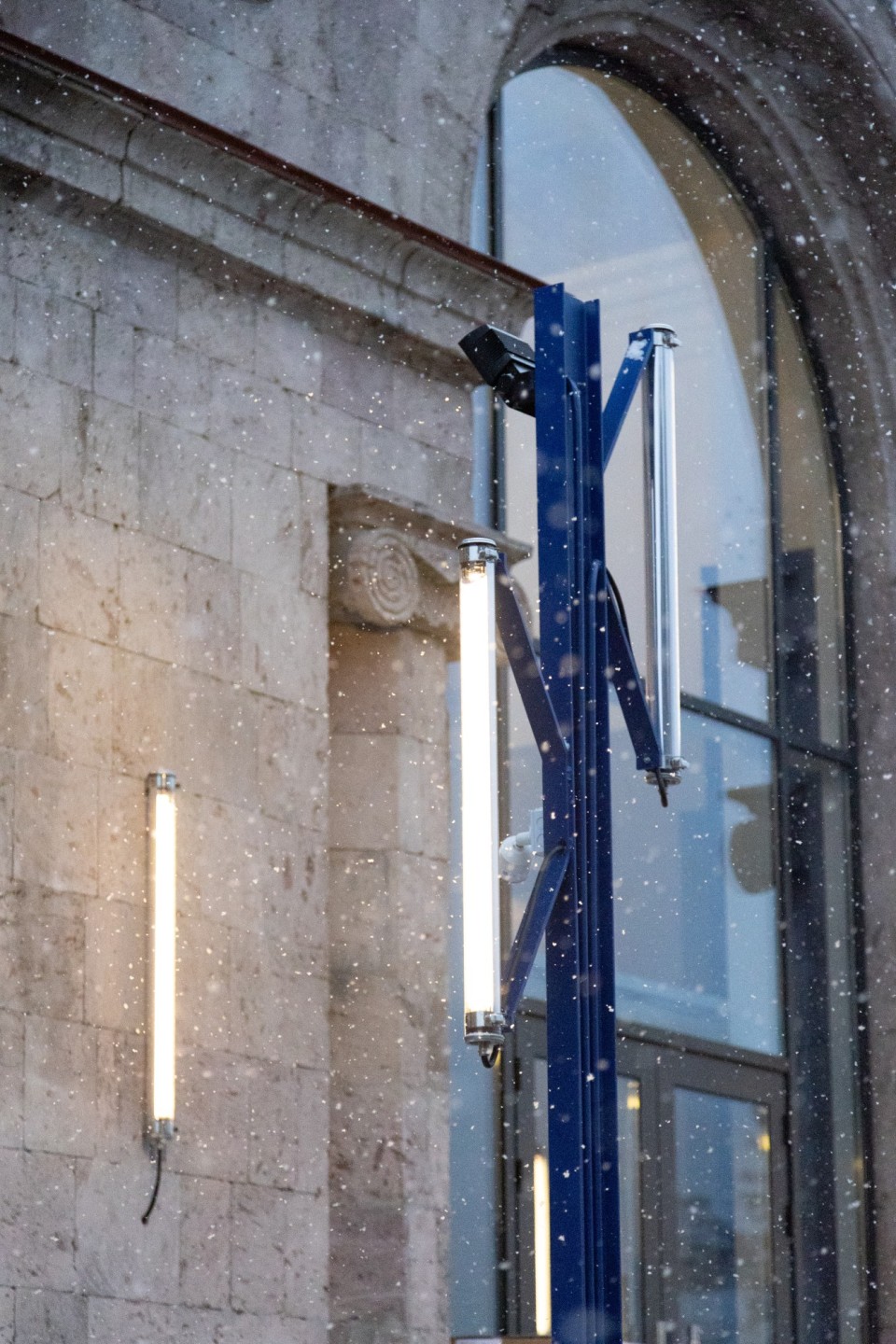
Architectural preservation was central to Normal Studio’s approach; exterior interventions were therefore kept to a minimum. However, a few strong gestures signal the building’s new purpose and revival: a large staircase runs along the entire façade, connecting the building to the street. It is punctuated by black concrete seating and lighting masts specifically designed for the site, equipped with Sammode tubular fixtures. This stepped forecourt maximizes access to the former station and becomes an agora, a waiting and meeting space for the children of the TUMO center.
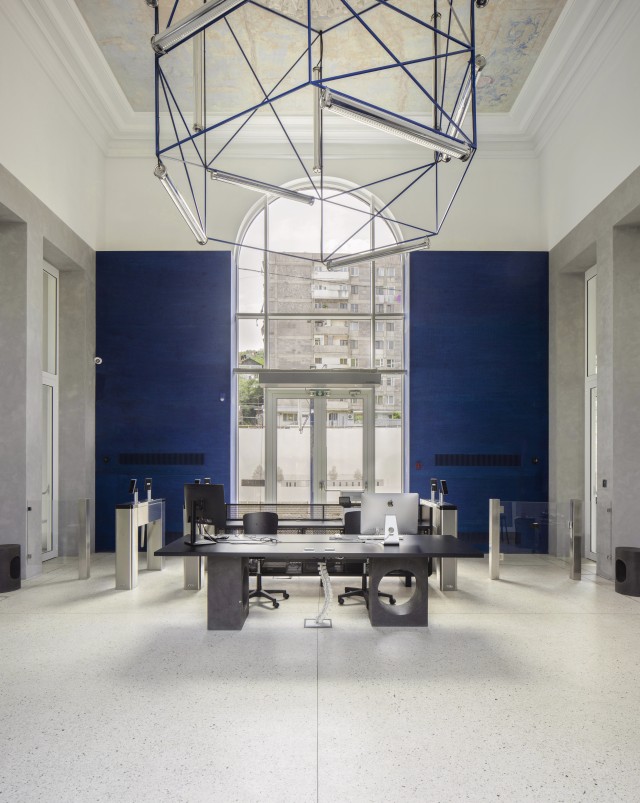
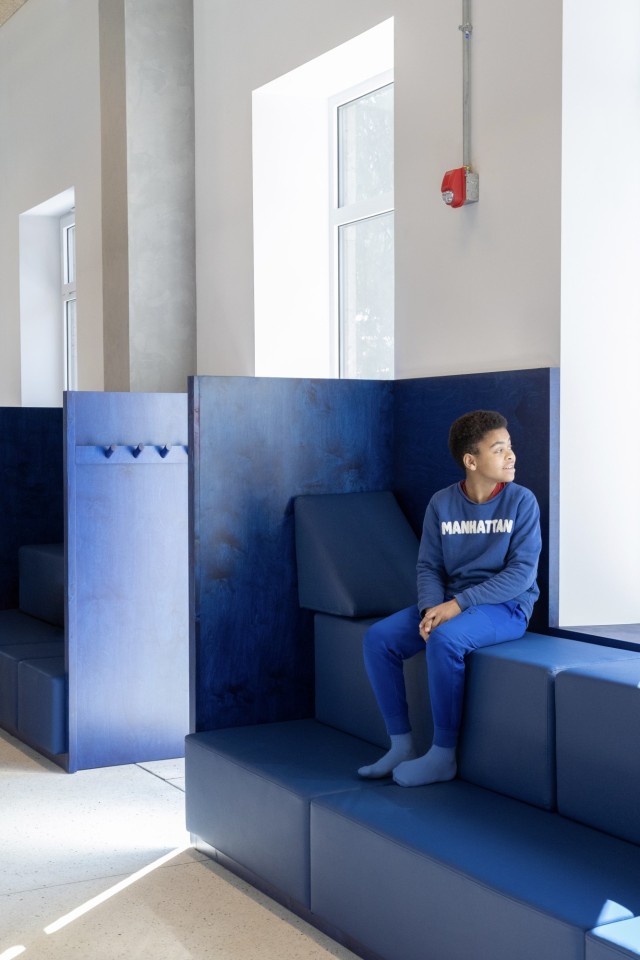
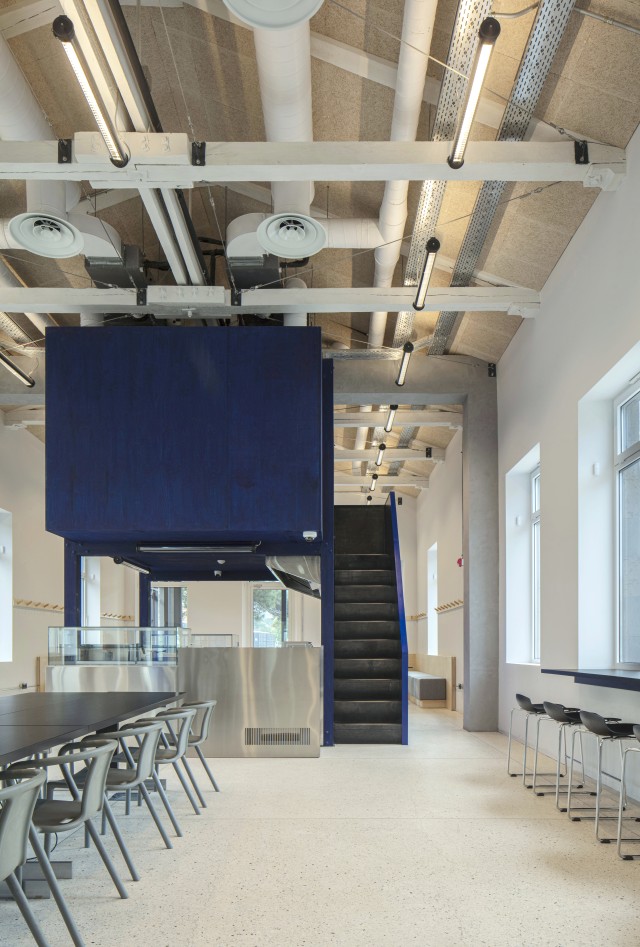
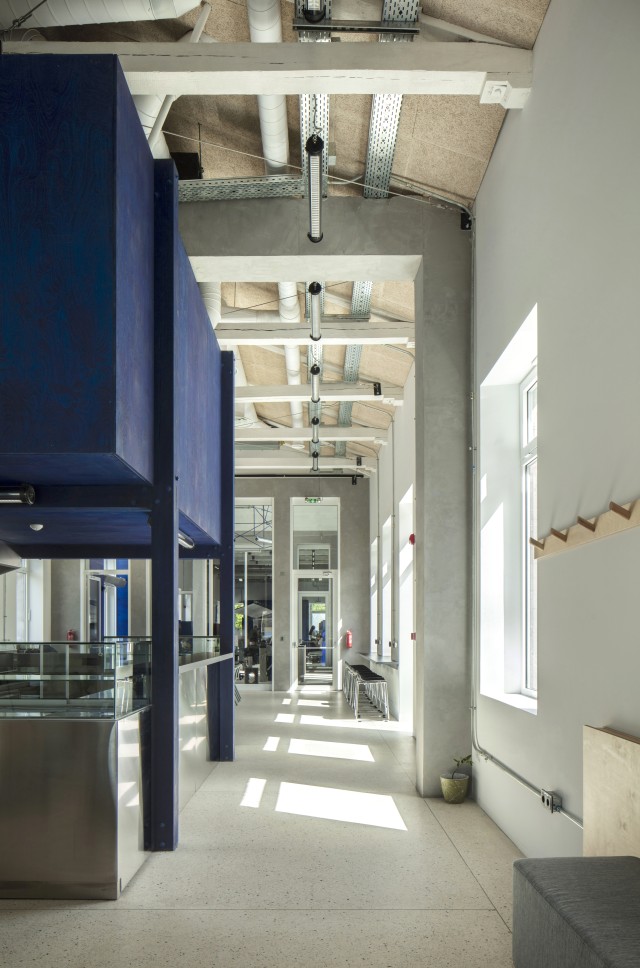
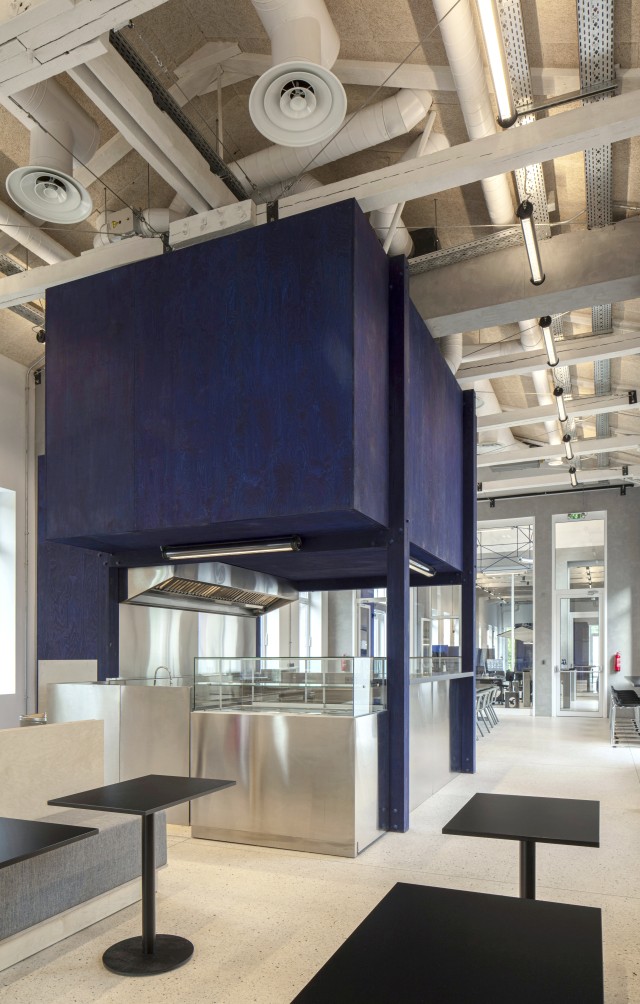
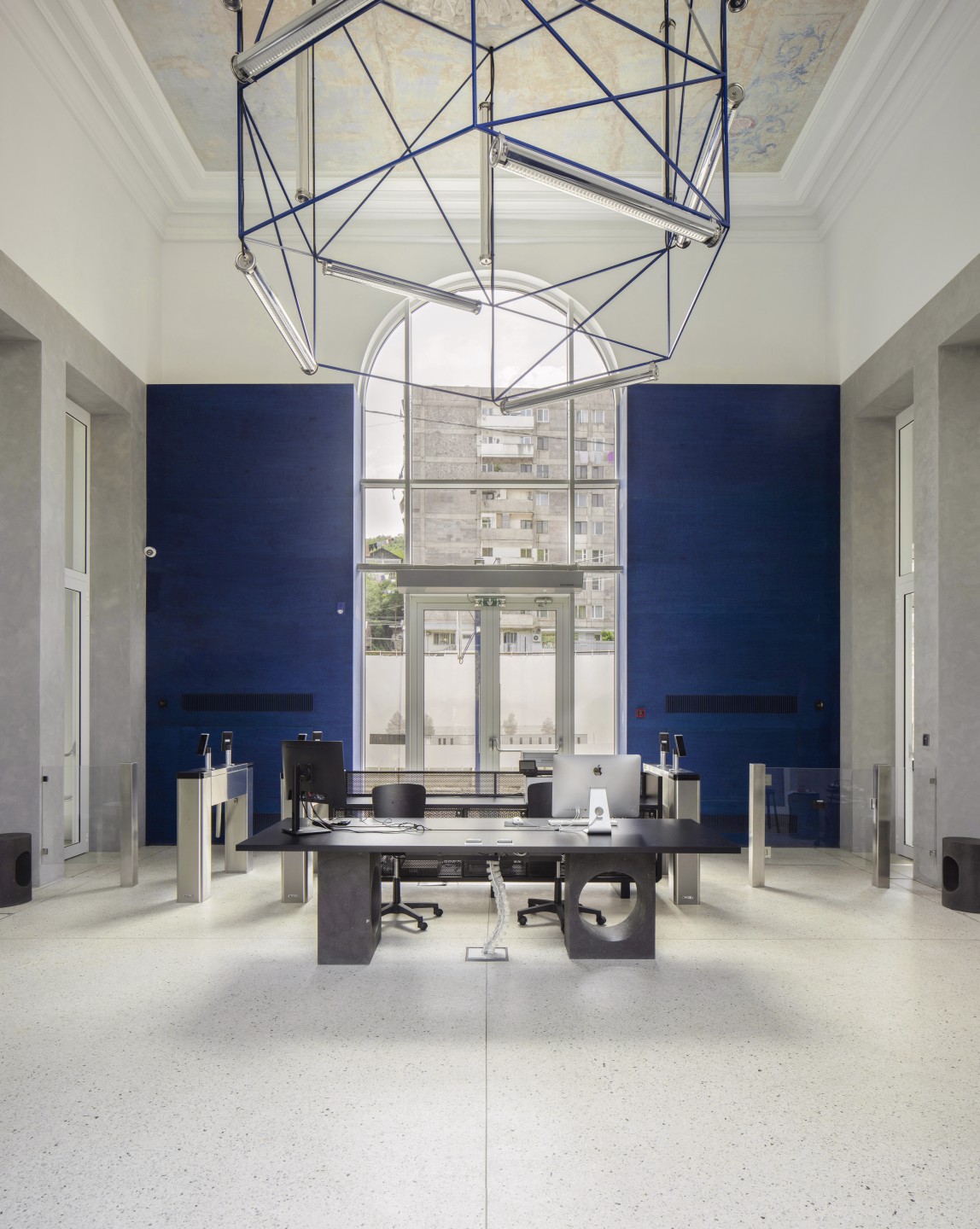
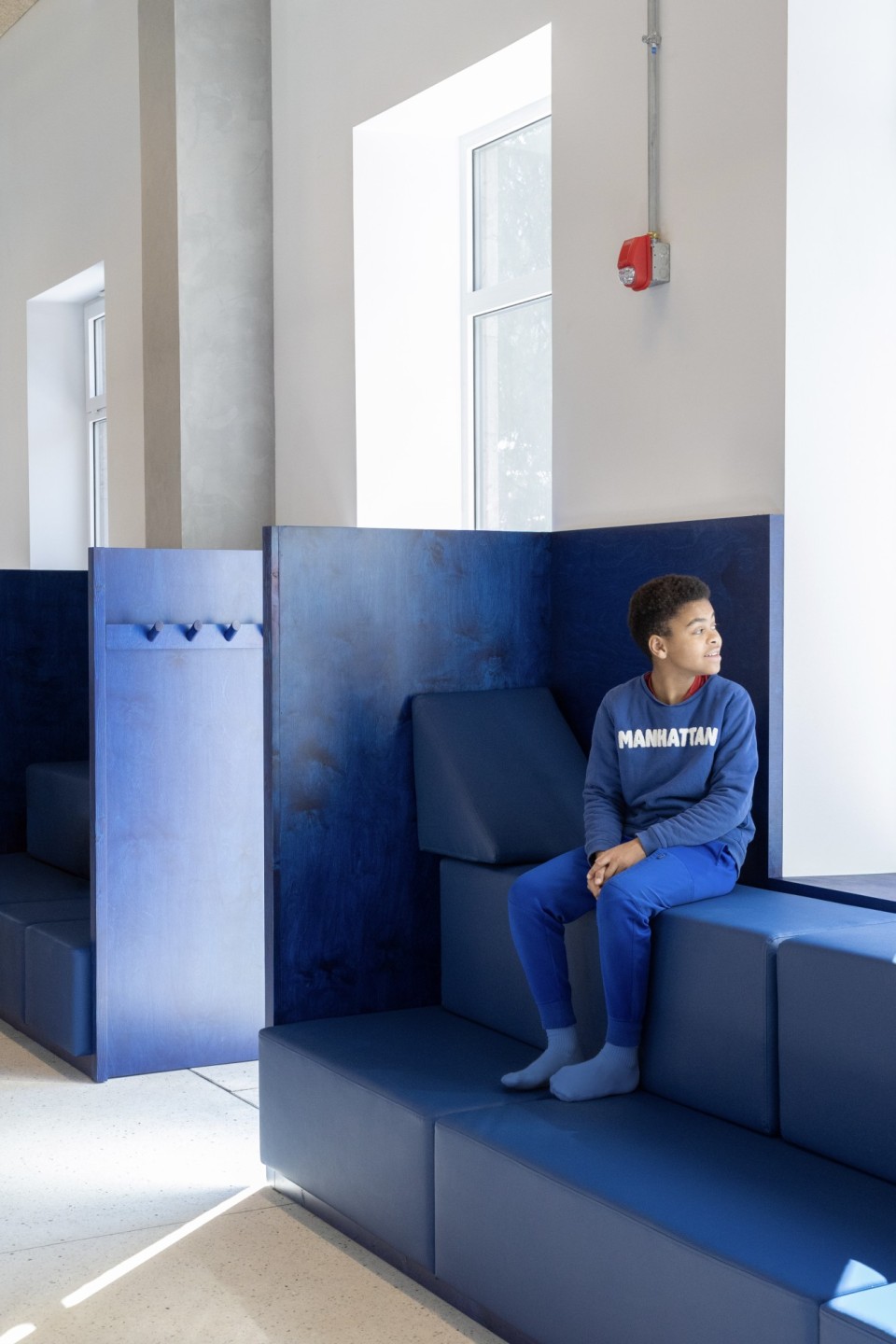
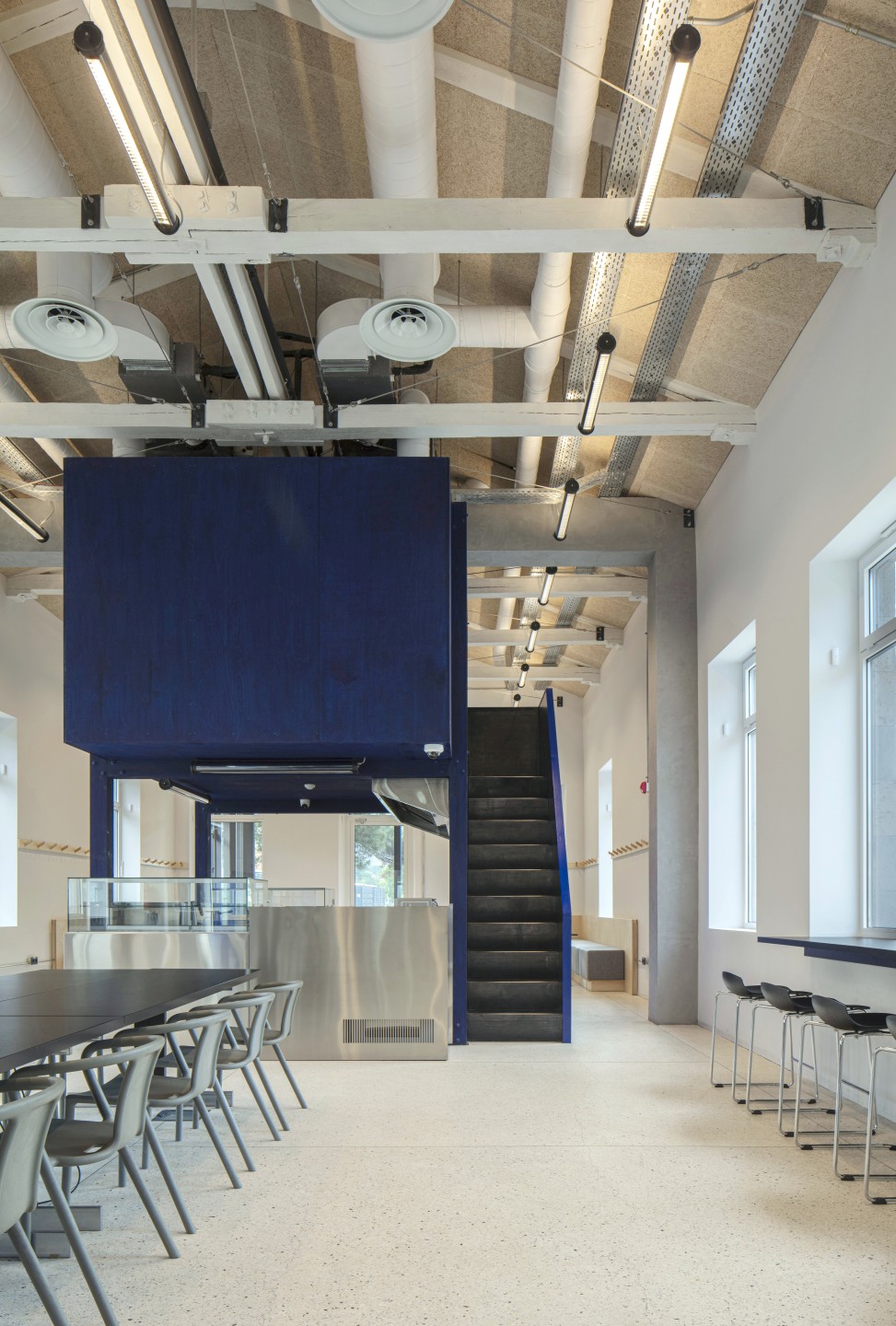
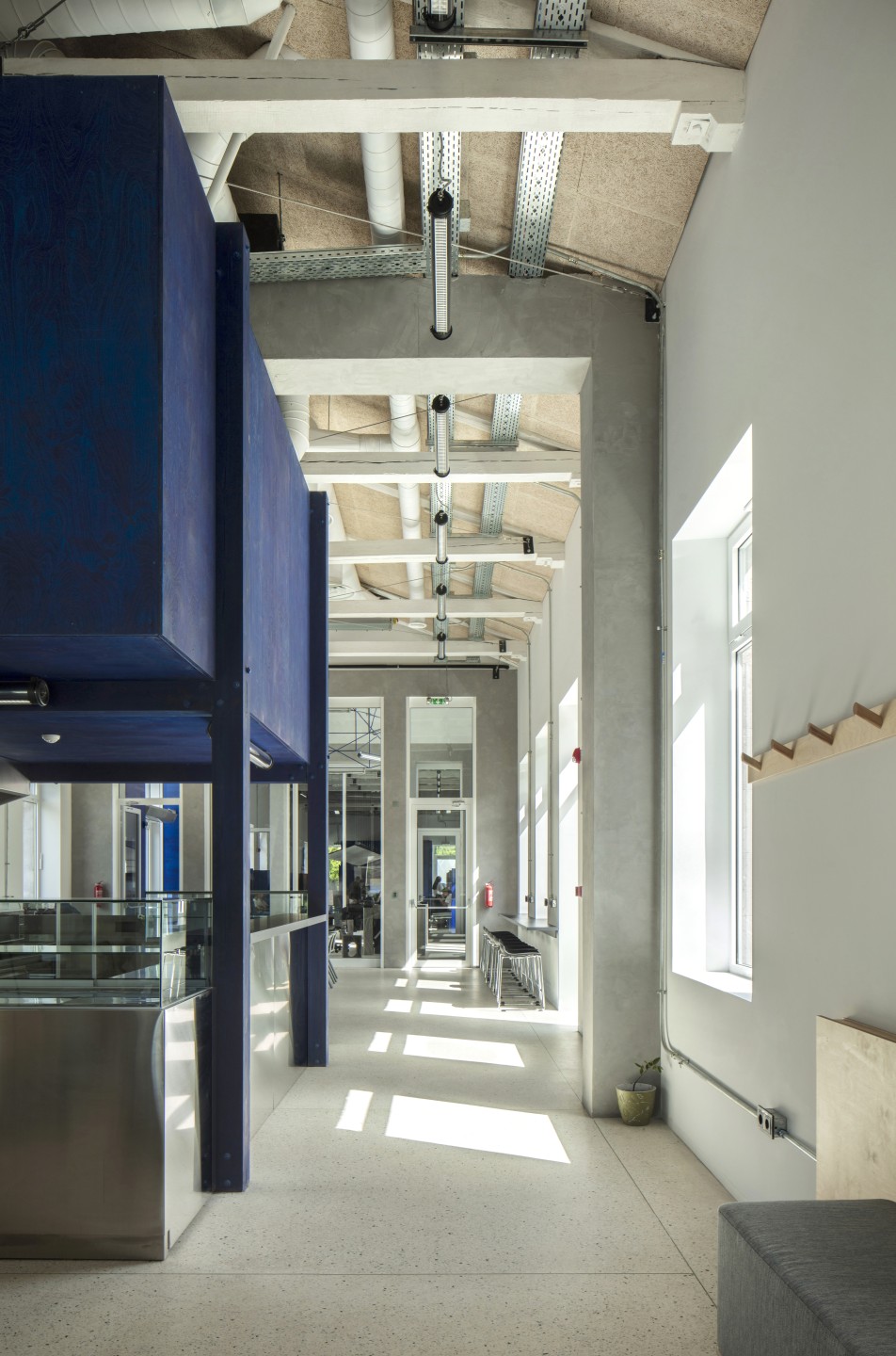
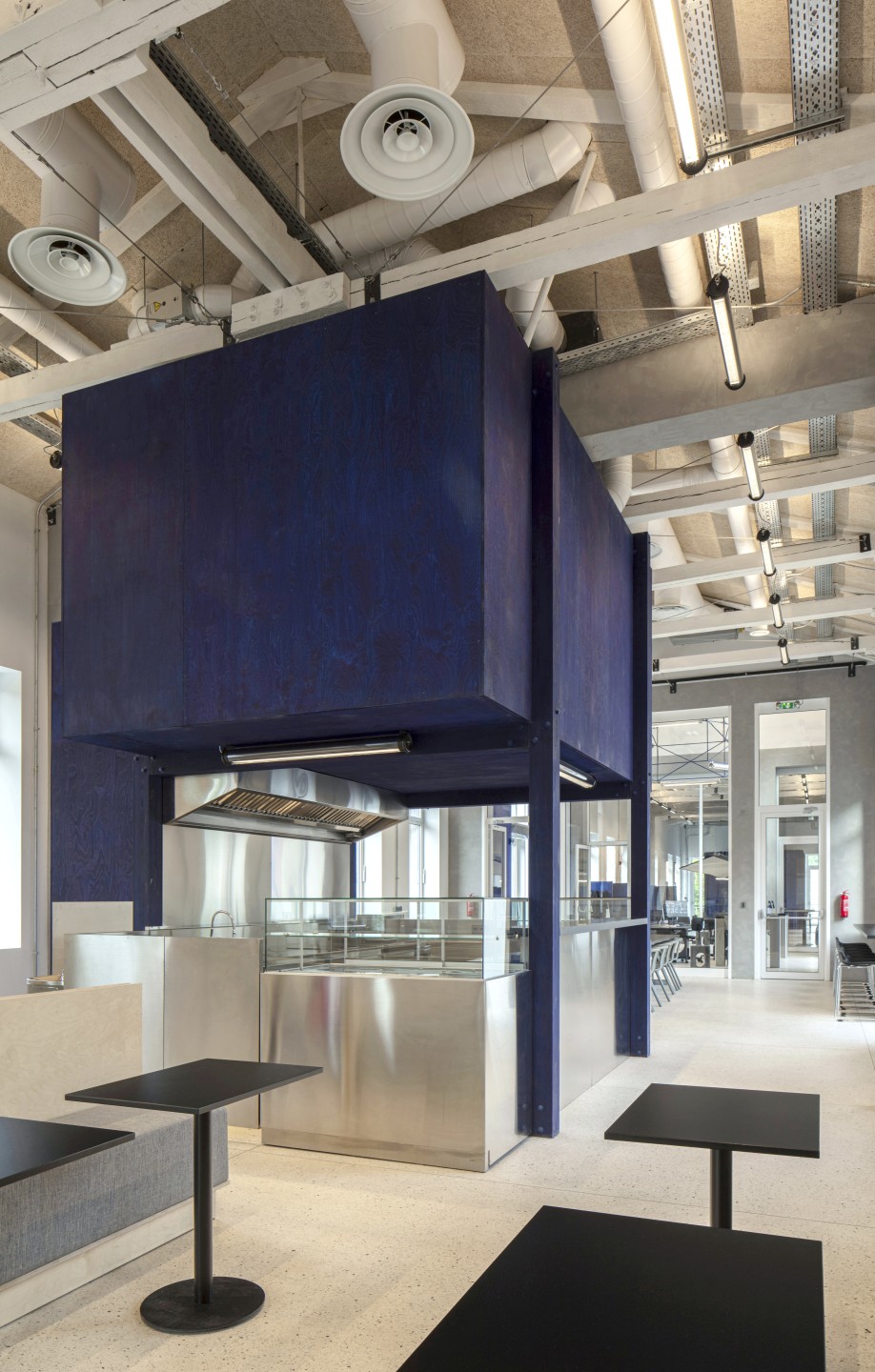
Inside, the fully open envelope is designed with restraint: light terrazzo flooring, concrete structures, a wood-fiber acoustic ceiling, and white-painted walls. This bright, open space is punctuated by micro-architectures—custom-designed furniture pieces or technical blocks such as the restrooms and cafeteria kitchen. These wooden structures are oil-stained in Klein blue, giving the place its distinctive identity. They are placed freely within the space without touching the original building.
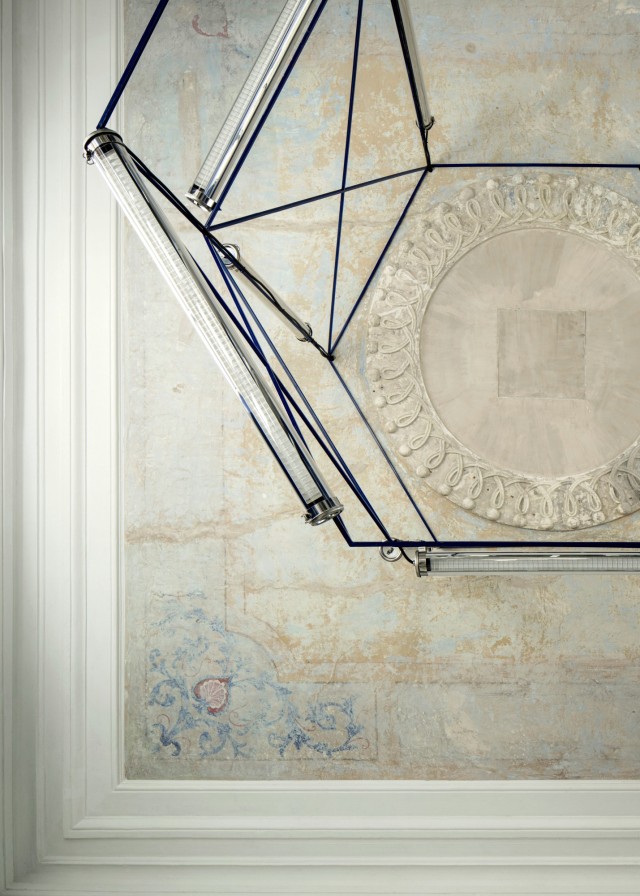
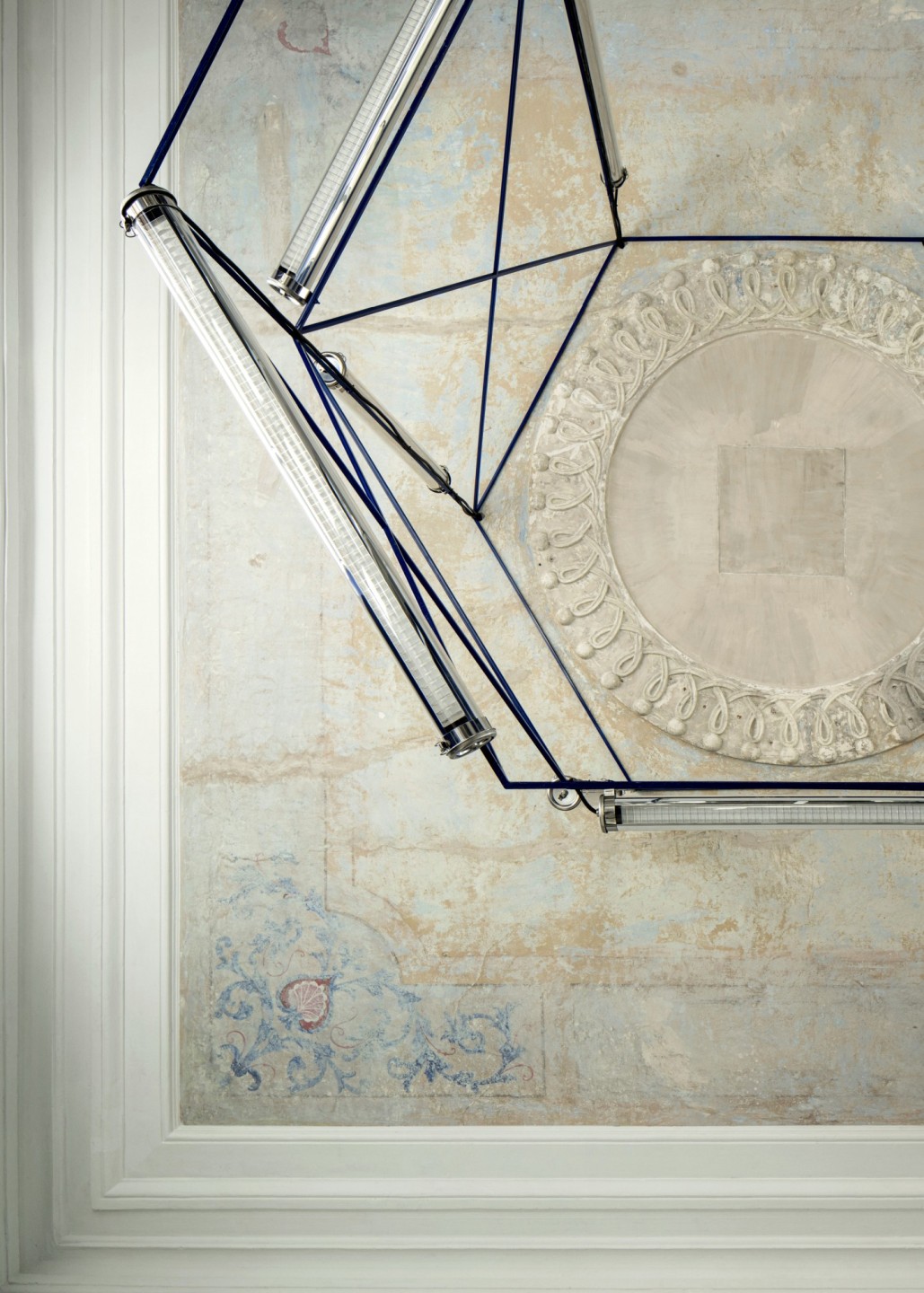
The original interior layout was modified, with load-bearing walls opened and replaced by large glazed partitions. This allows the entire activity of the center to be visible from the moment one enters the hall. The result blends respect for the past with a contemporary reinterpretation tailored to an entirely new function. The entrance hall is one example: its original ceiling was restored, revealing a fresco previously hidden by paint. Normal Studio chose to suspend a monumental chandelier there—a blue geometric structure that boldly announces the building’s new digital-oriented purpose.
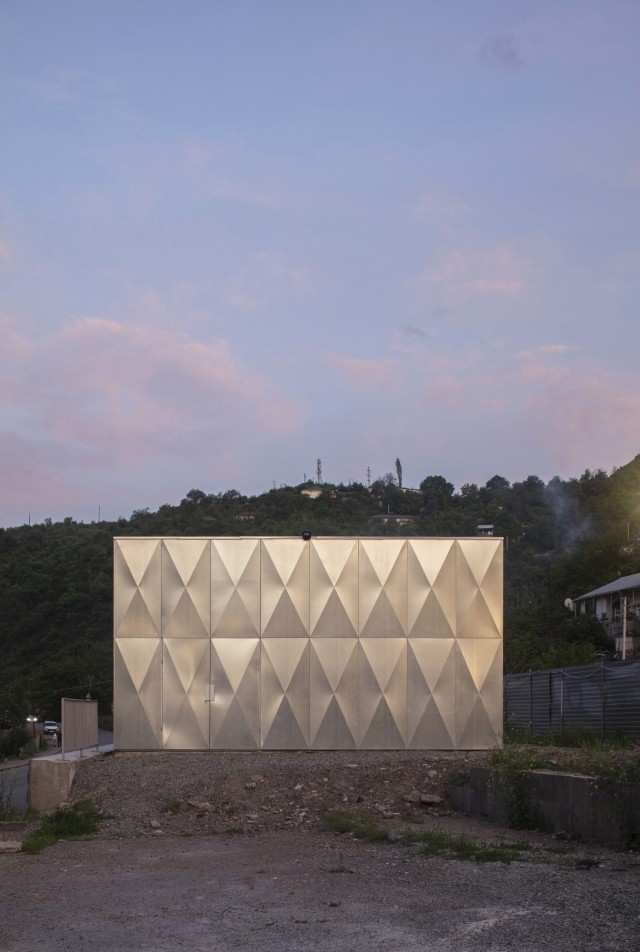
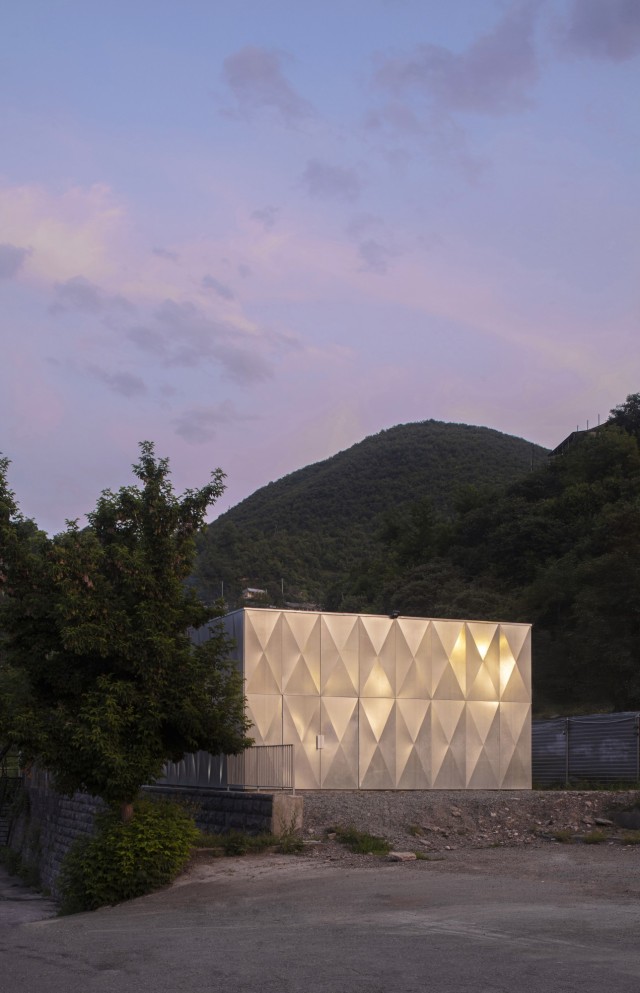
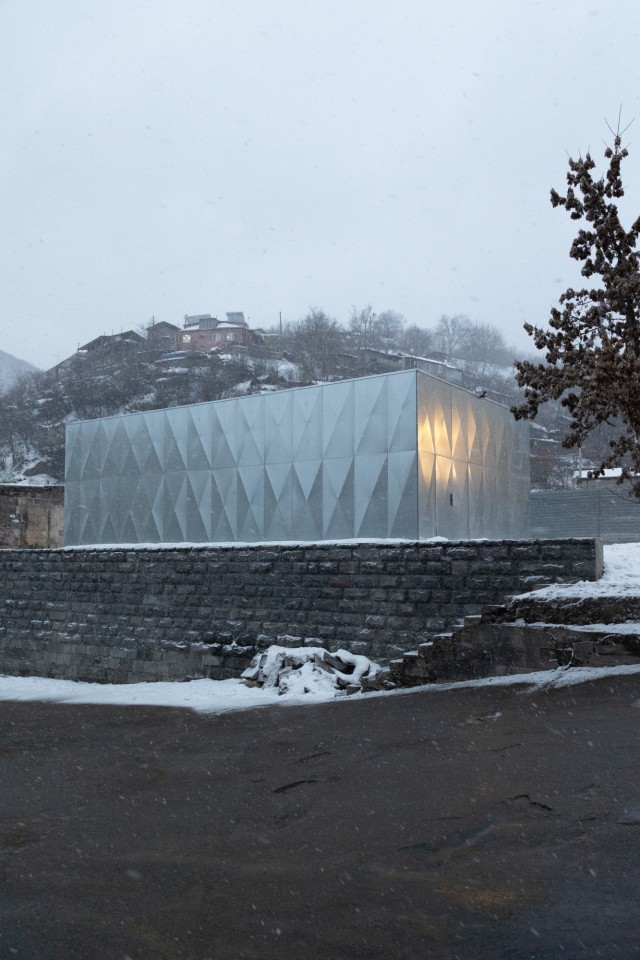
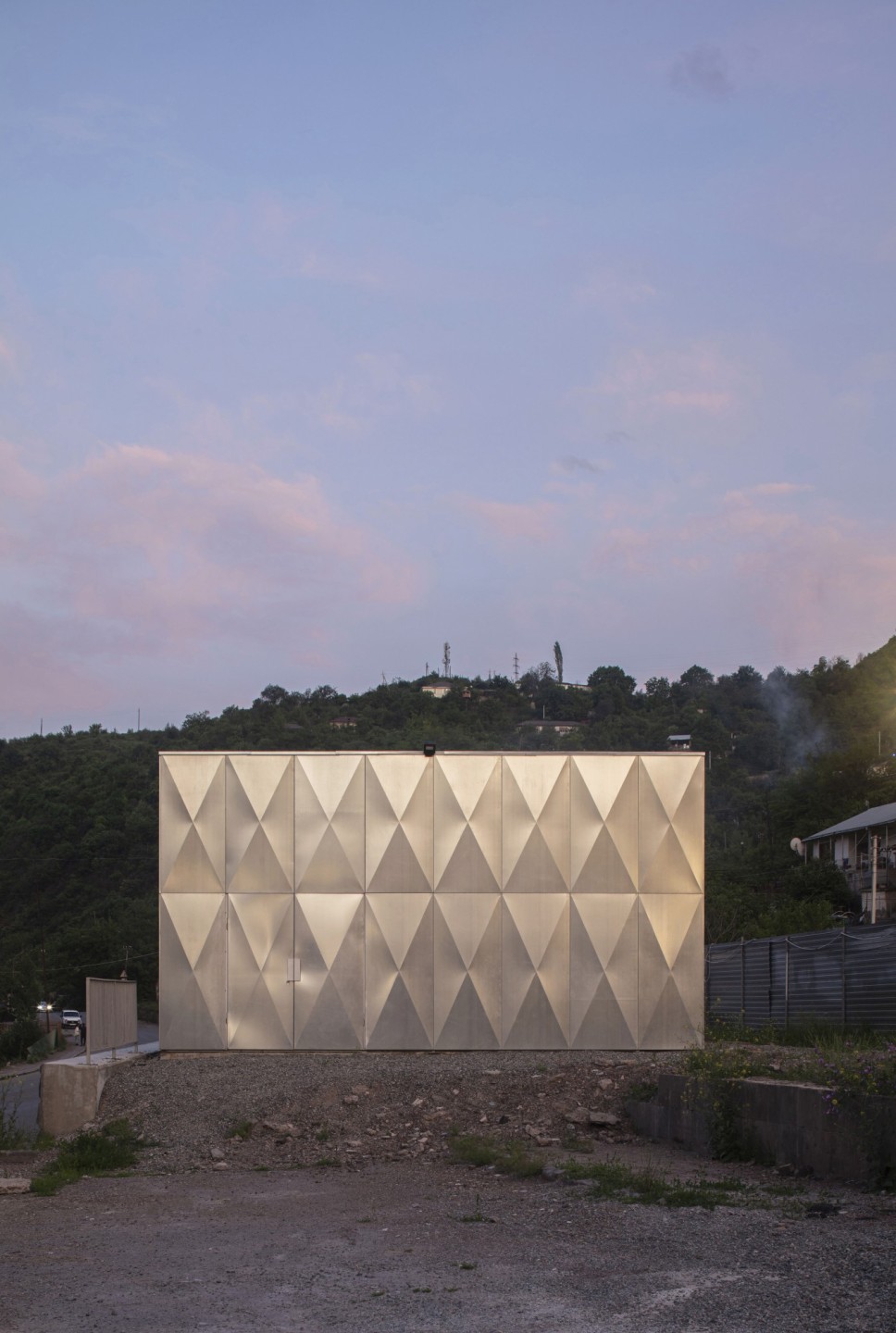
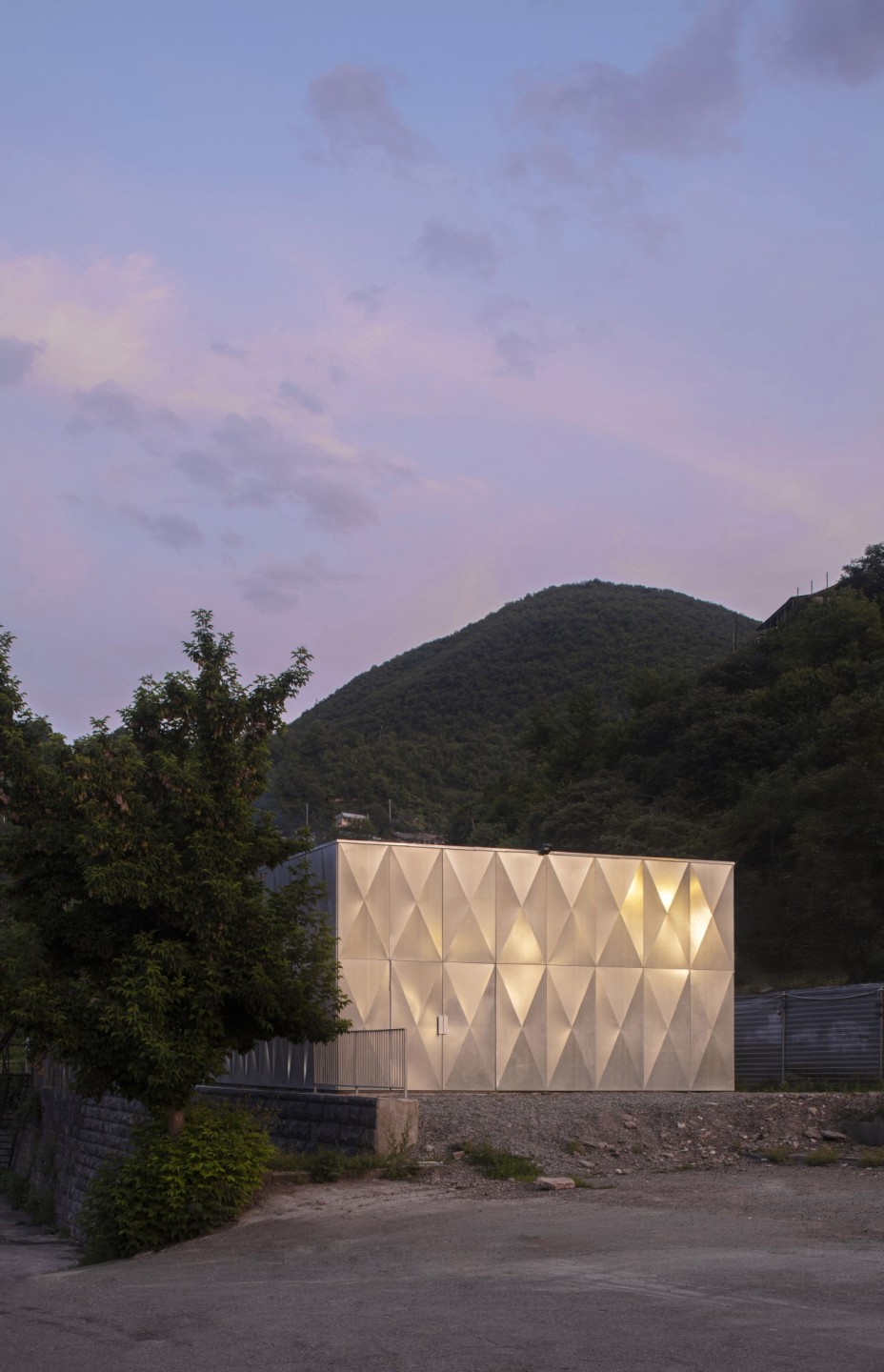
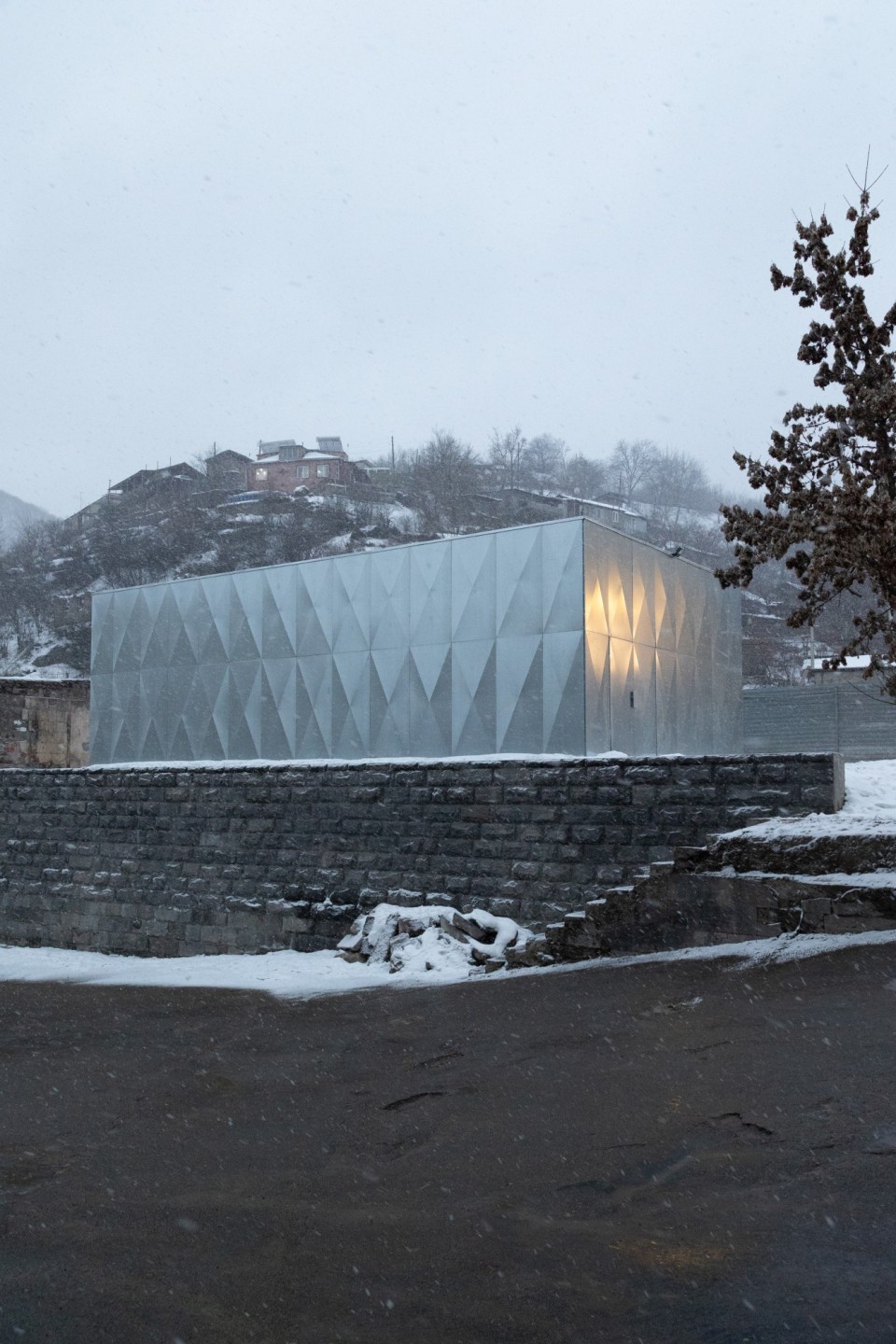
The second phase of the project will consist of three new buildings that will complete the TUMO educational program: classrooms, robotics labs, offices, a recording studio, and even a cinema, scheduled for completion in 2026. A few steps away from the station, on the site of an old warehouse, stands a technical building. Normal Studio designed a structure composed of a grid of galvanized steel panels in a “diamond point” pattern, clearly expressing the building’s function and playing with the ambient light.
©anison arch photography, 5,7,23,24 ©Normal Studio